By Lukas Mauve
Amsterdam is home to a lot of fashion brands, but it isn’t a fashion capital — or maybe it refuses to be one. It doesn’t have the designer legacy of Antwerp or Tokyo. It doesn’t have a prestigious fashion school like London or New York. And its fashion week isn’t Paris or Milan. If anything, Amsterdam is still more readily associated with weed, canals and rain than any particular brand or trend.
That outsider status is exactly what makes Amsterdam such an exciting fashion city. Without the pressure to play by the industry’s usual rules, there’s more room to think differently about what fashion could be. It gives the scene a punkish, DIY feel: you don’t need formal training, the right connections, or even a conventional brand to matter in fashion.
Few cities produce labels so unusually grounded in the everyday (and night) life of the people and communities around them. Rather than runways or trends, Dutch clothing brands look to subcultures like football, skateboarding, hip-hop and political activism, or just elderly folks on the street. Not because they’re cherry-picking references, but because they belong to these worlds themselves — and so do their clothes.
With Amsterdam Fashion Week kicking off this week, now’s the perfect time to take a closer look at what the city has to offer. Here’s a list of 12 Amsterdam brands we love and think you will too.
Courtesy of Camiel Fortgens
Camiel Fortgens
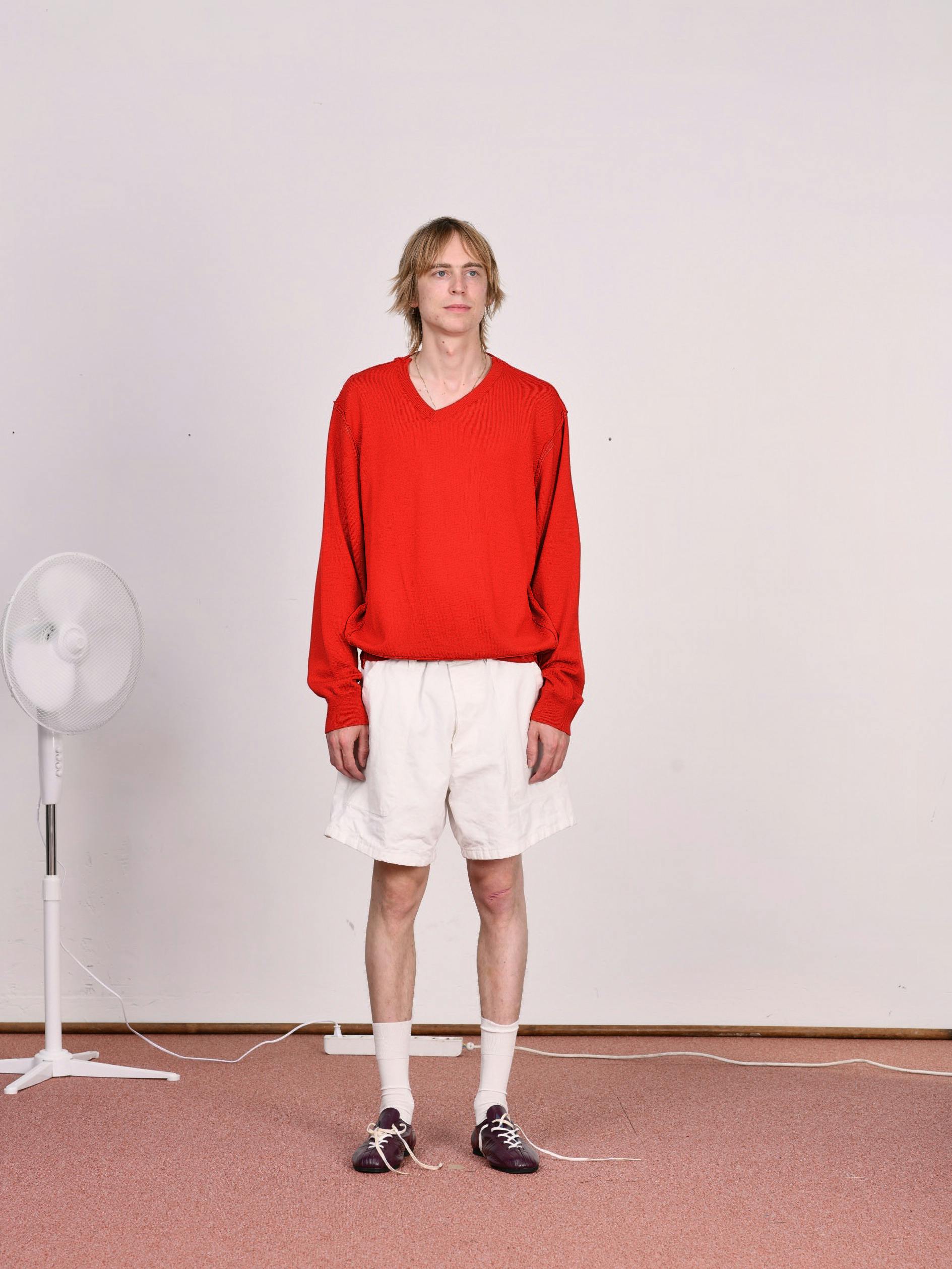
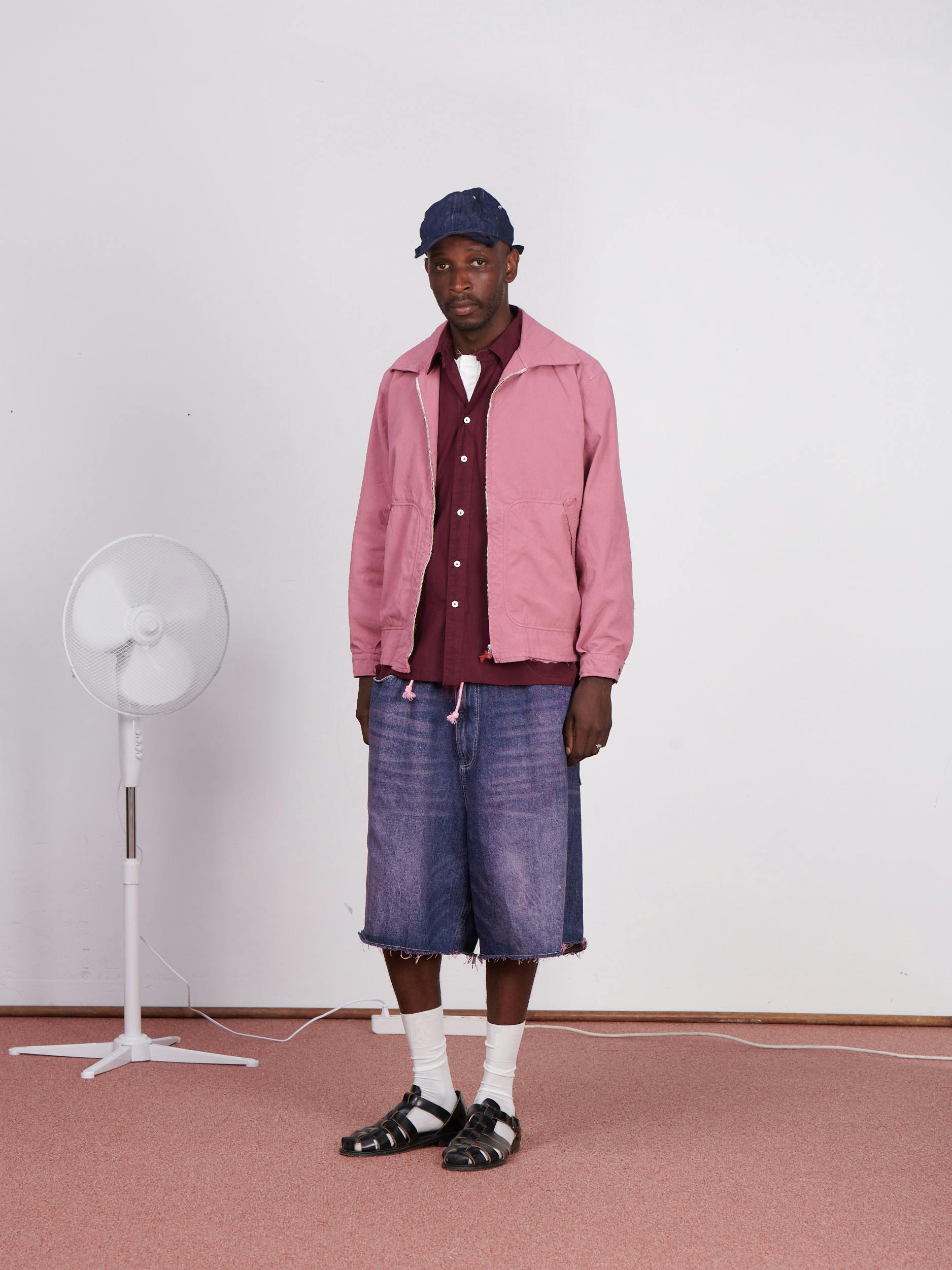
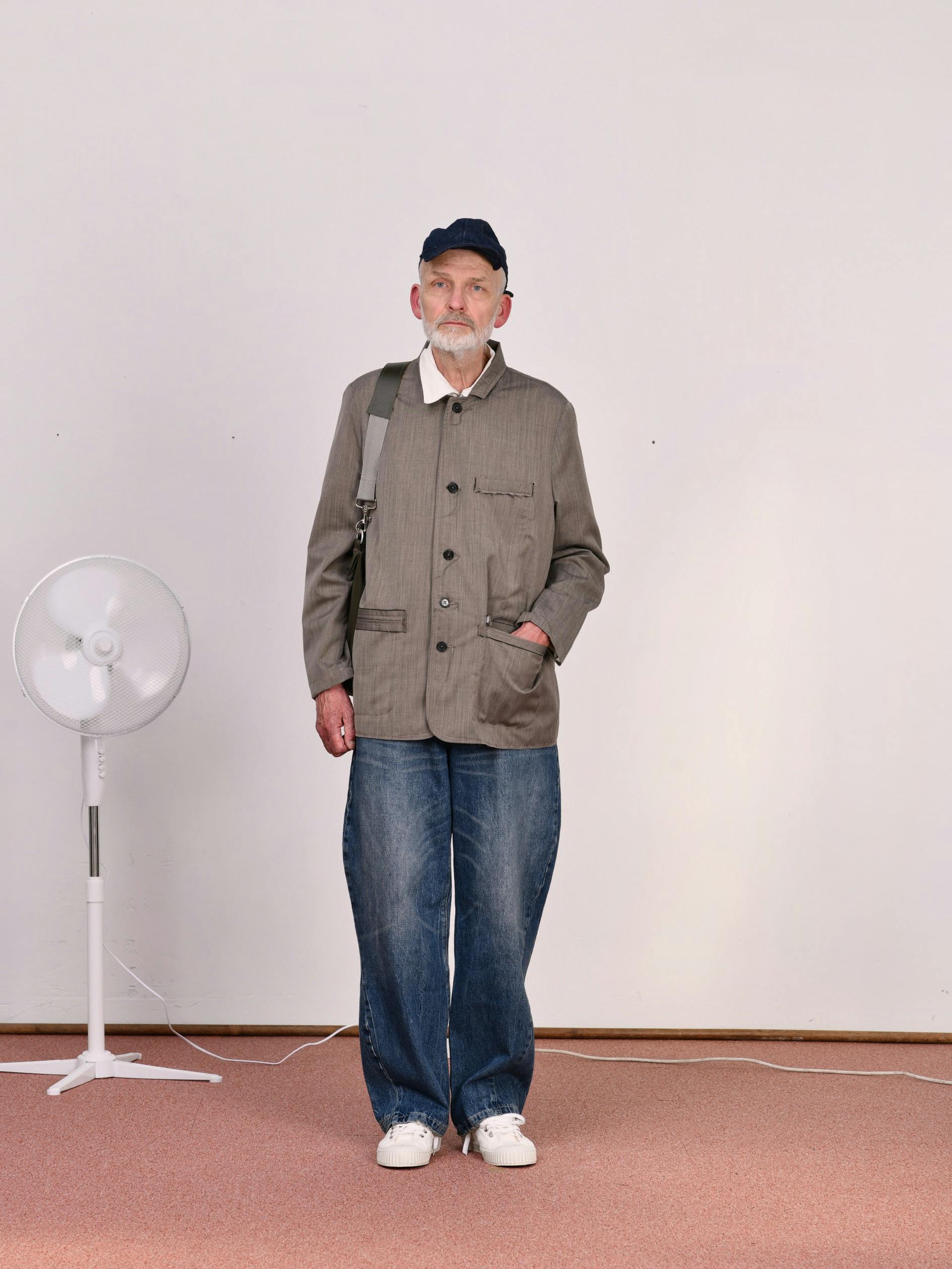
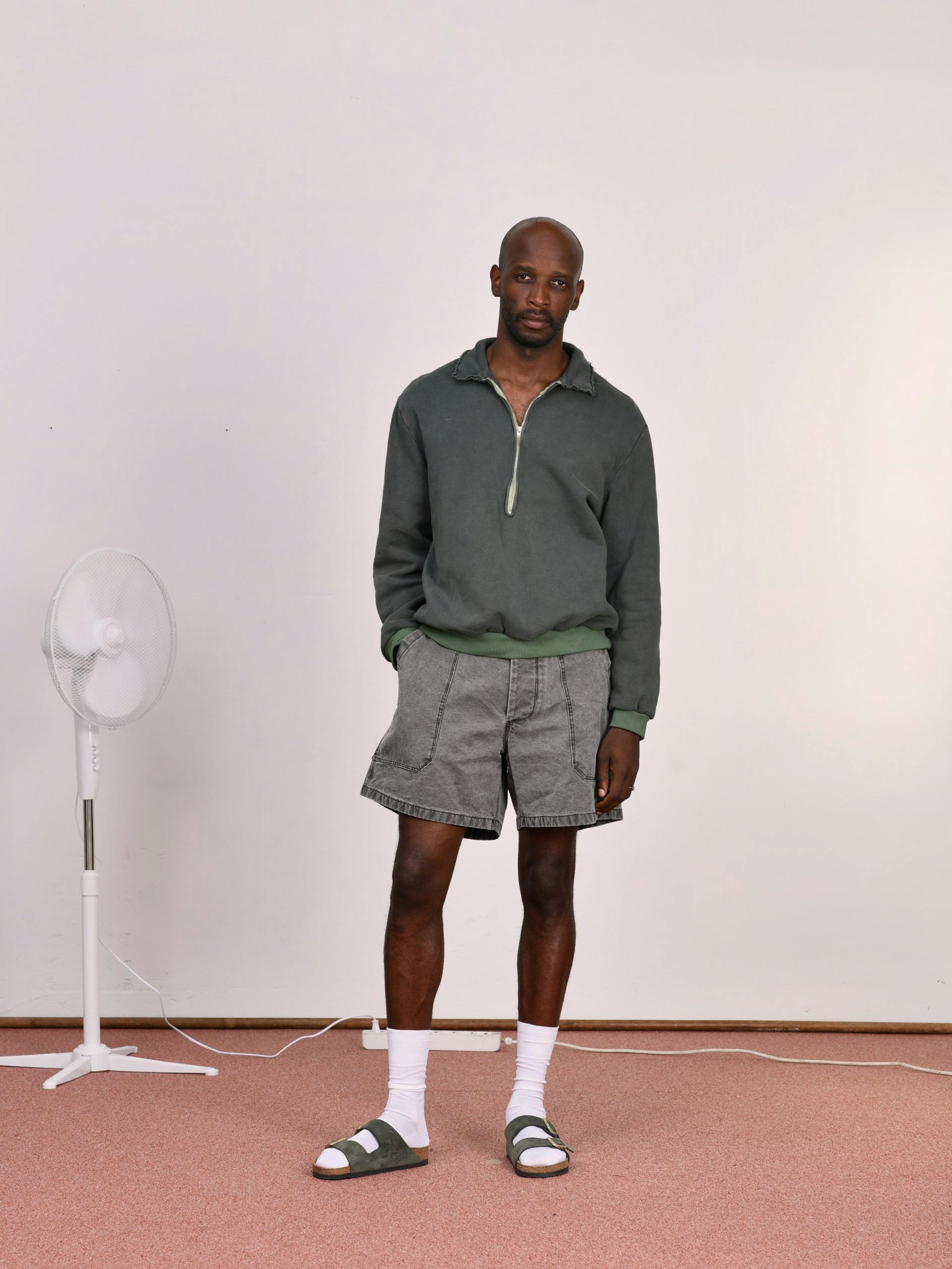
Camiel Fortgens has spent the past decade making normal clothes look out of the ordinary — so full of human imperfections that, even when hanging on a rack, they can look almost monstrous. Fortgens didn’t go to fashion school, but graduated from Design Academy Eindhoven. When he decided to make clothes anyway, things kept going wrong: seams were crooked, edges left unfinished, proportions slightly off. Instead of correcting these mistakes, he and his team turned them into the hallmarks of his namesake label.
Now part of the official Paris Fashion Week calendar, Camiel Fortgens remains intent on making fashion feel a little less like, well, fashion. Its shows have taken place on streets and café terraces — and, for this Amsterdam Fashion Week, inside a supermarket after hours, with shelf stackers still at work.
Courtesy of Joone Joonam
Joone Joonam
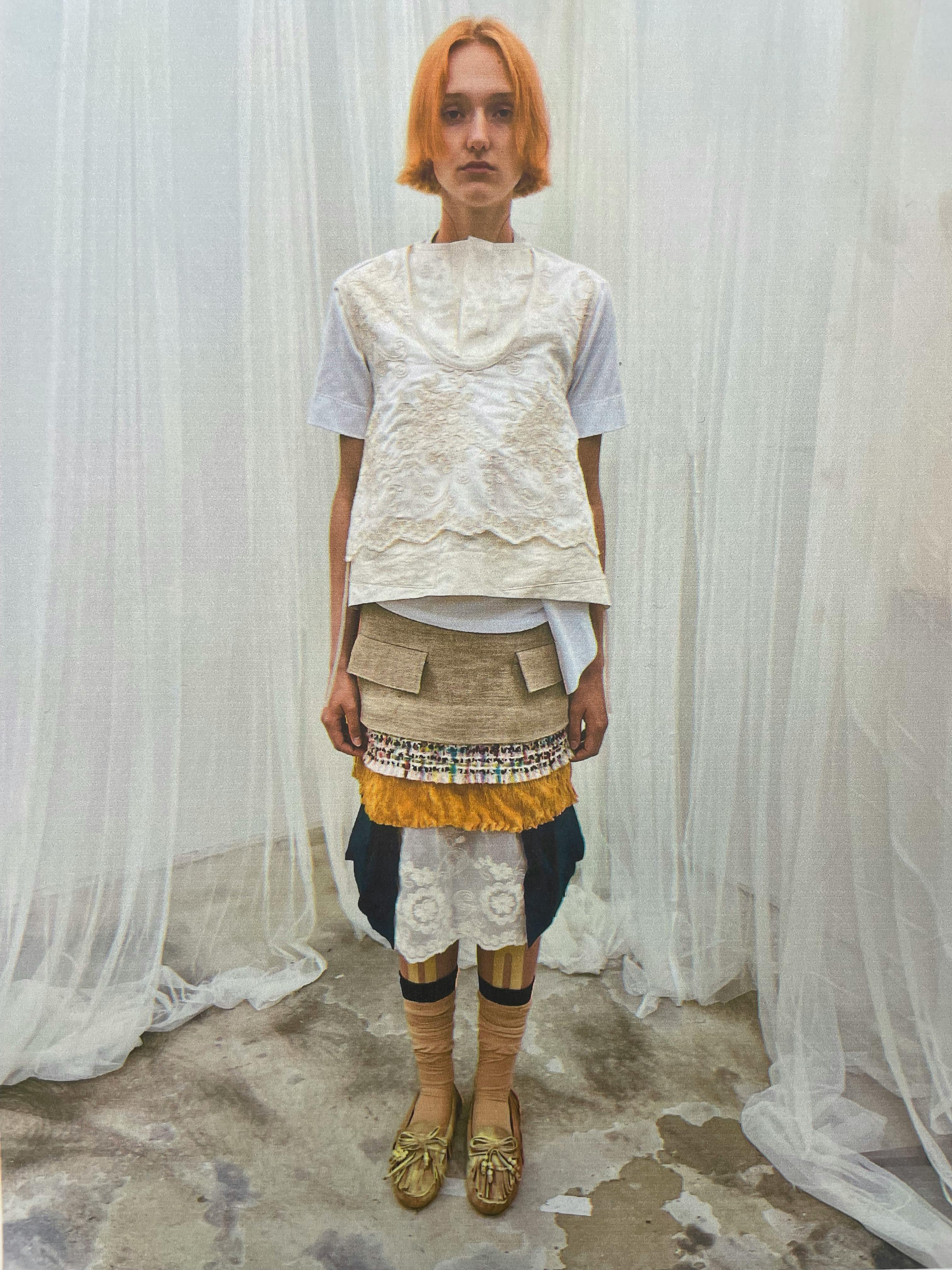
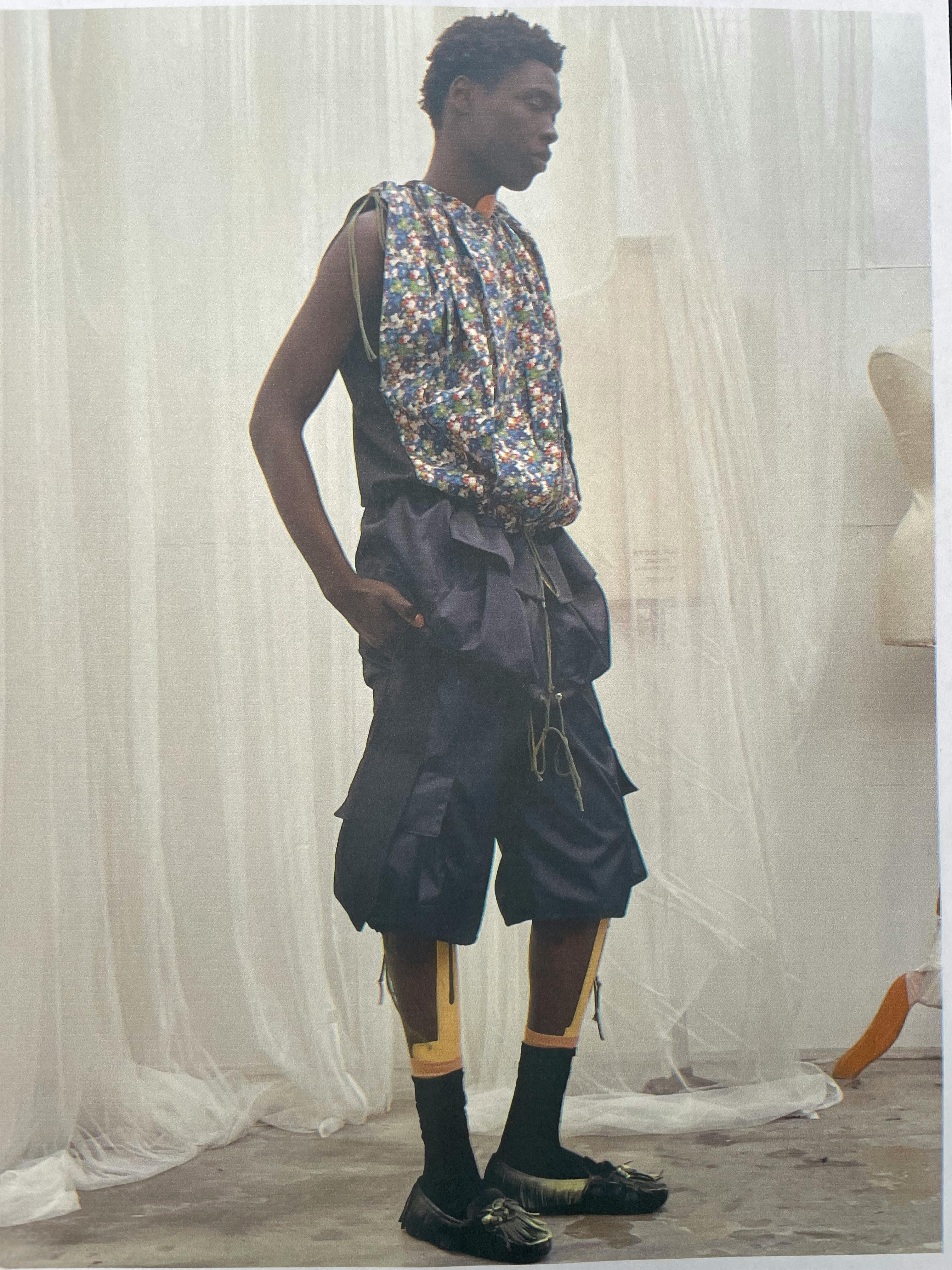
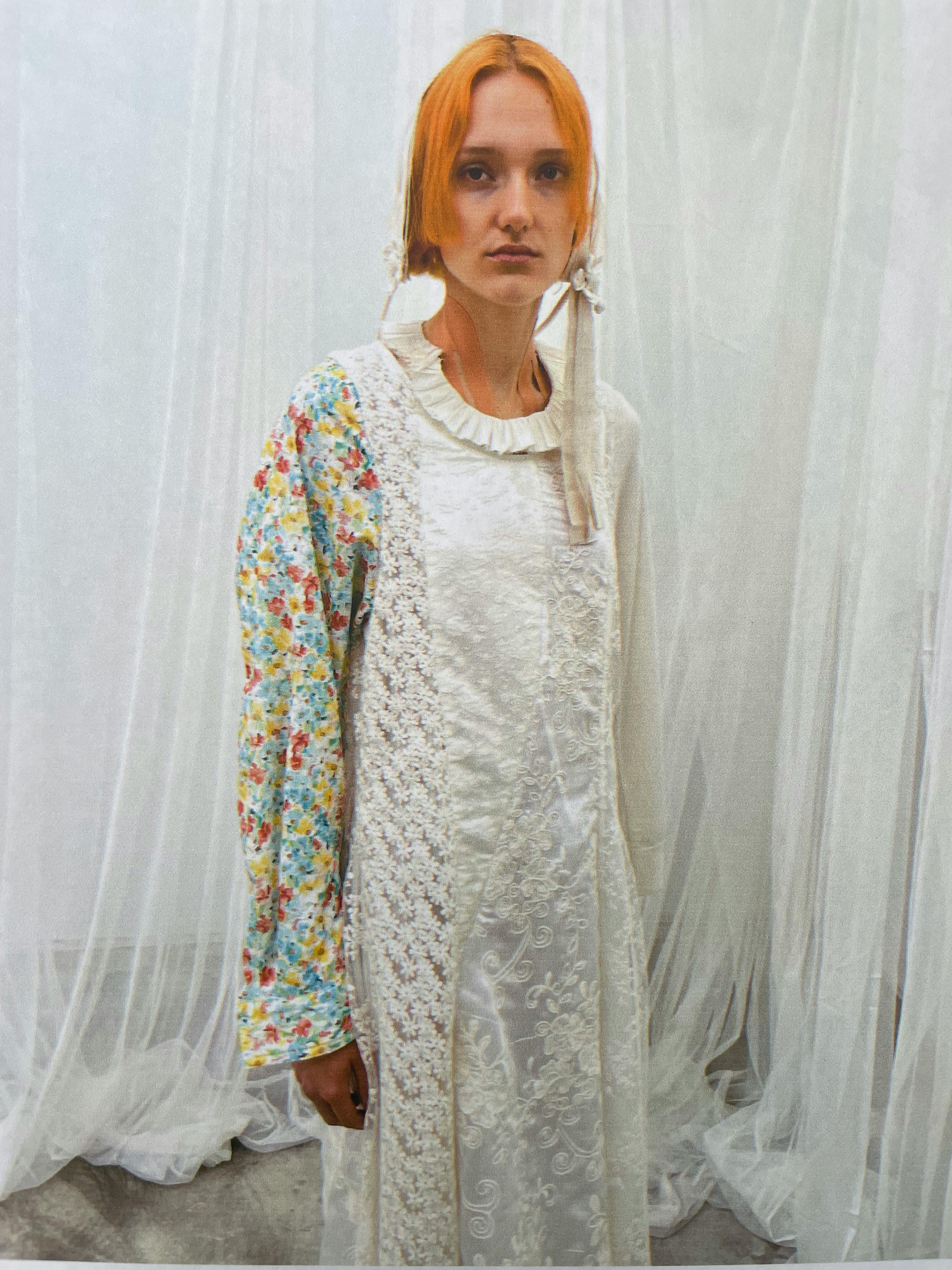
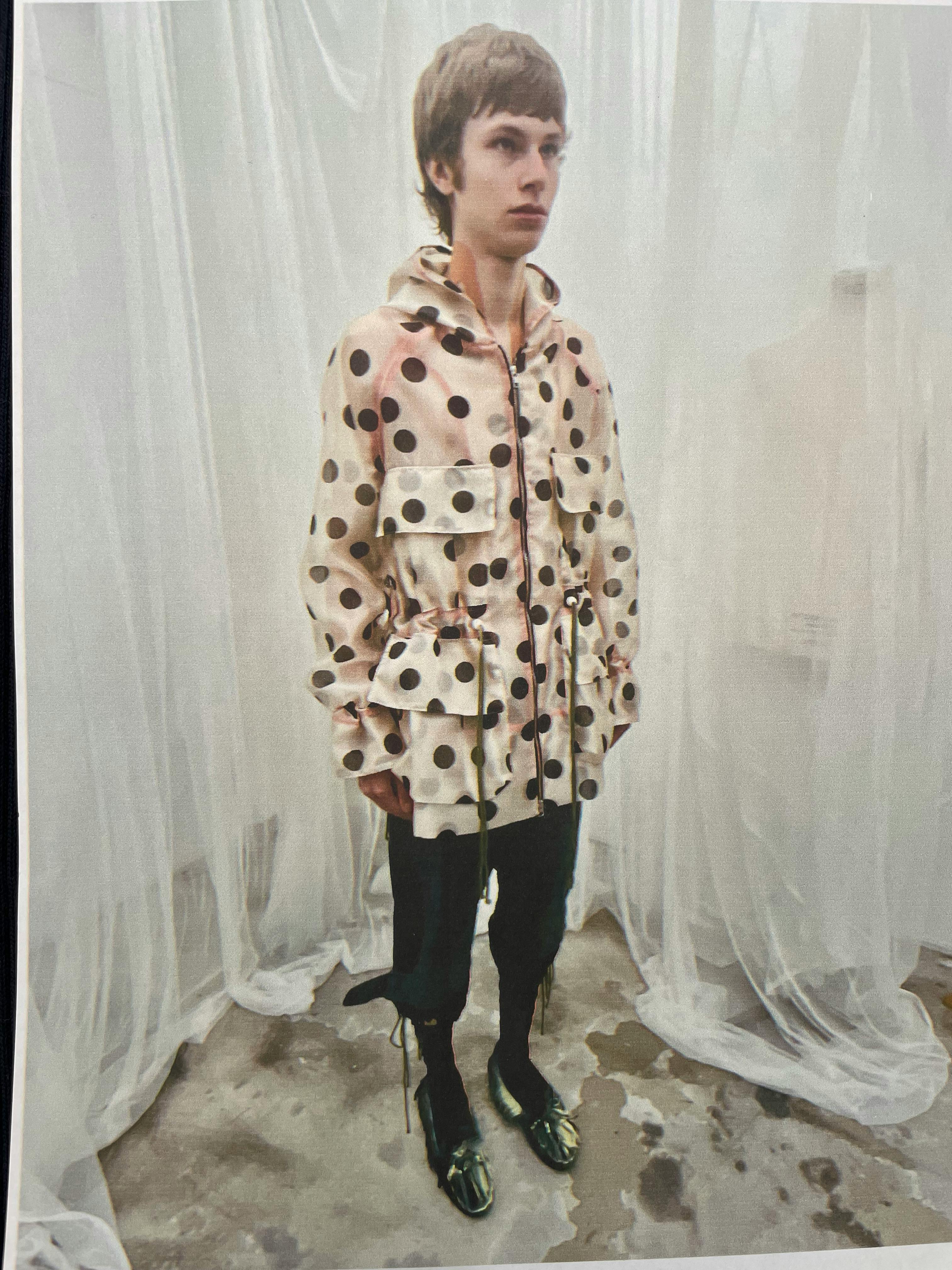
Founded in 2023 by Armia Yousefi, Joone Joonam at times looks like Camiel Fortgens’ little, slightly weirder sibling. That’s no coincidence, as Yousefi was part of the Fortgens team for a spell. The exposed seams, raw edges and wonky proportions look familiar, but with Joone Joonam he pushes things further into the esoteric. Traditional Iranian silhouettes are mixed with grunge references and DIY techniques, while birds pop up throughout the collections, whether in feathered details or silhouettes that seem to mimic their forms.
Still a small operation, with every item made by hand in its Amsterdam atelier, Joone Joonam is rapidly gaining a following in Japan, where it’s now available at a dozen forward-thinking boutiques. Closer to home, Yousefi was recently nominated for a Dutch Design Award and tapped as one of five local designers to create a collection for Amsterdam’s 750th anniversary, for which he punked-up Levi’s denim with feathers, florals and tartan.
Courtesy of Eleph
Eleph
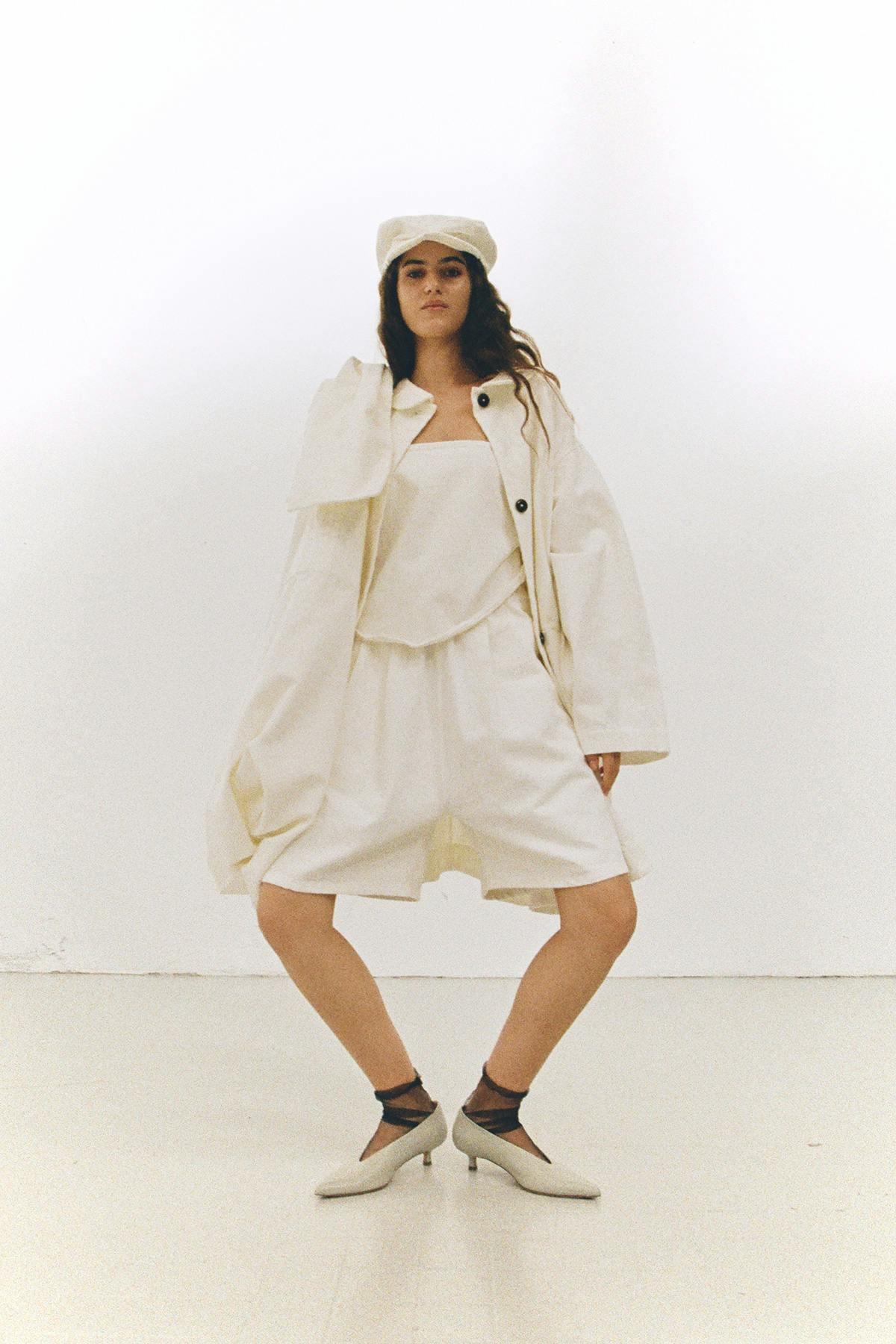
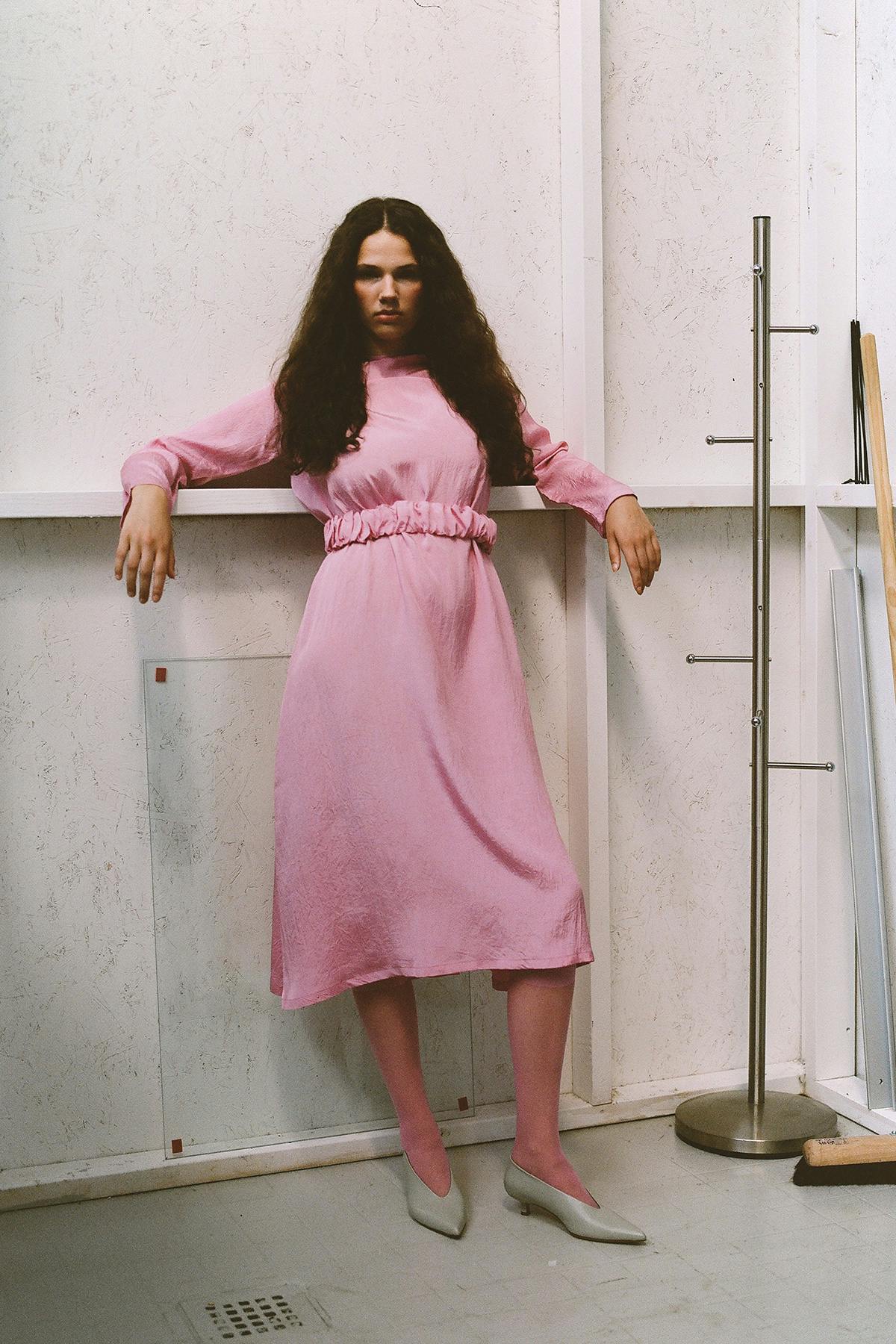
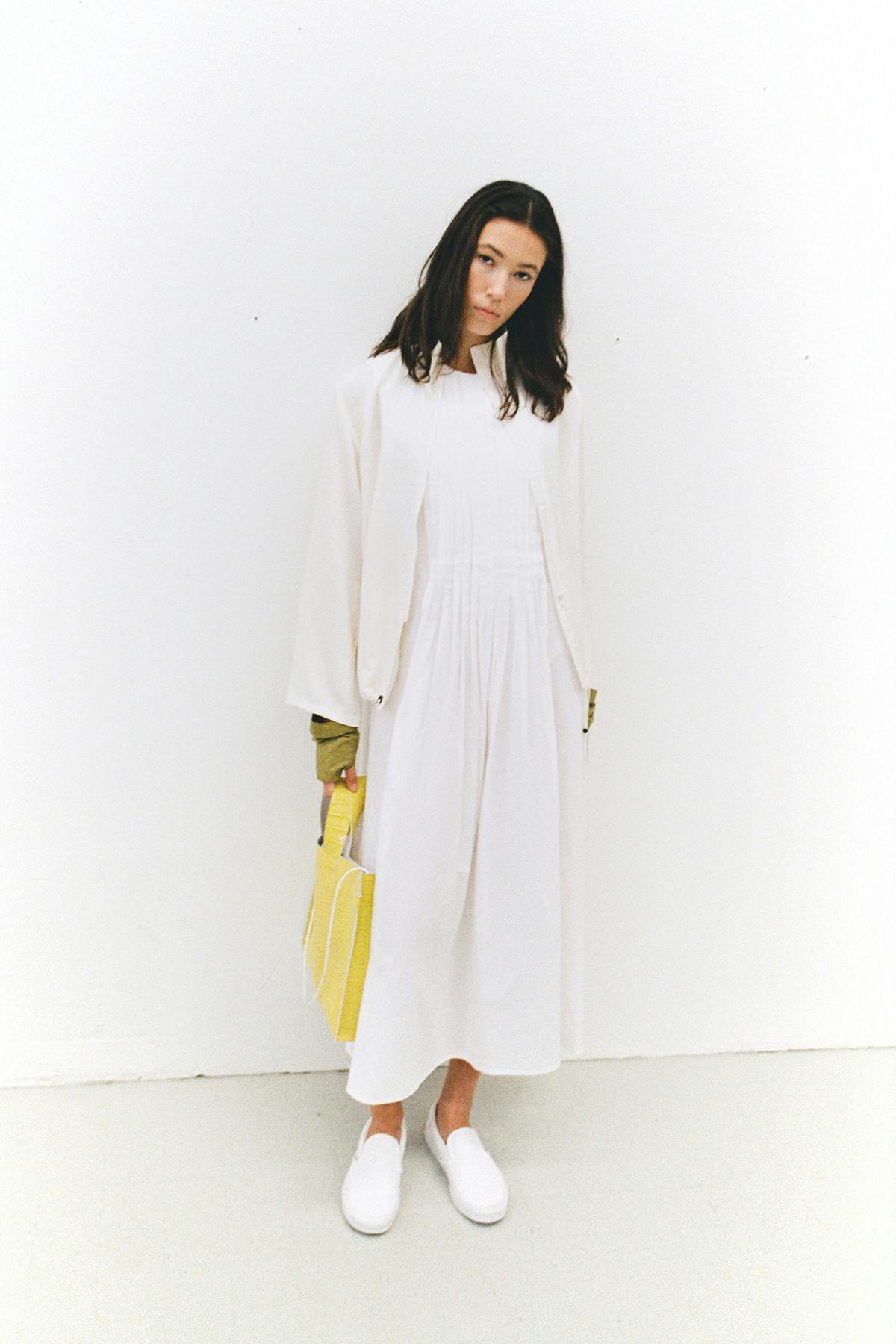
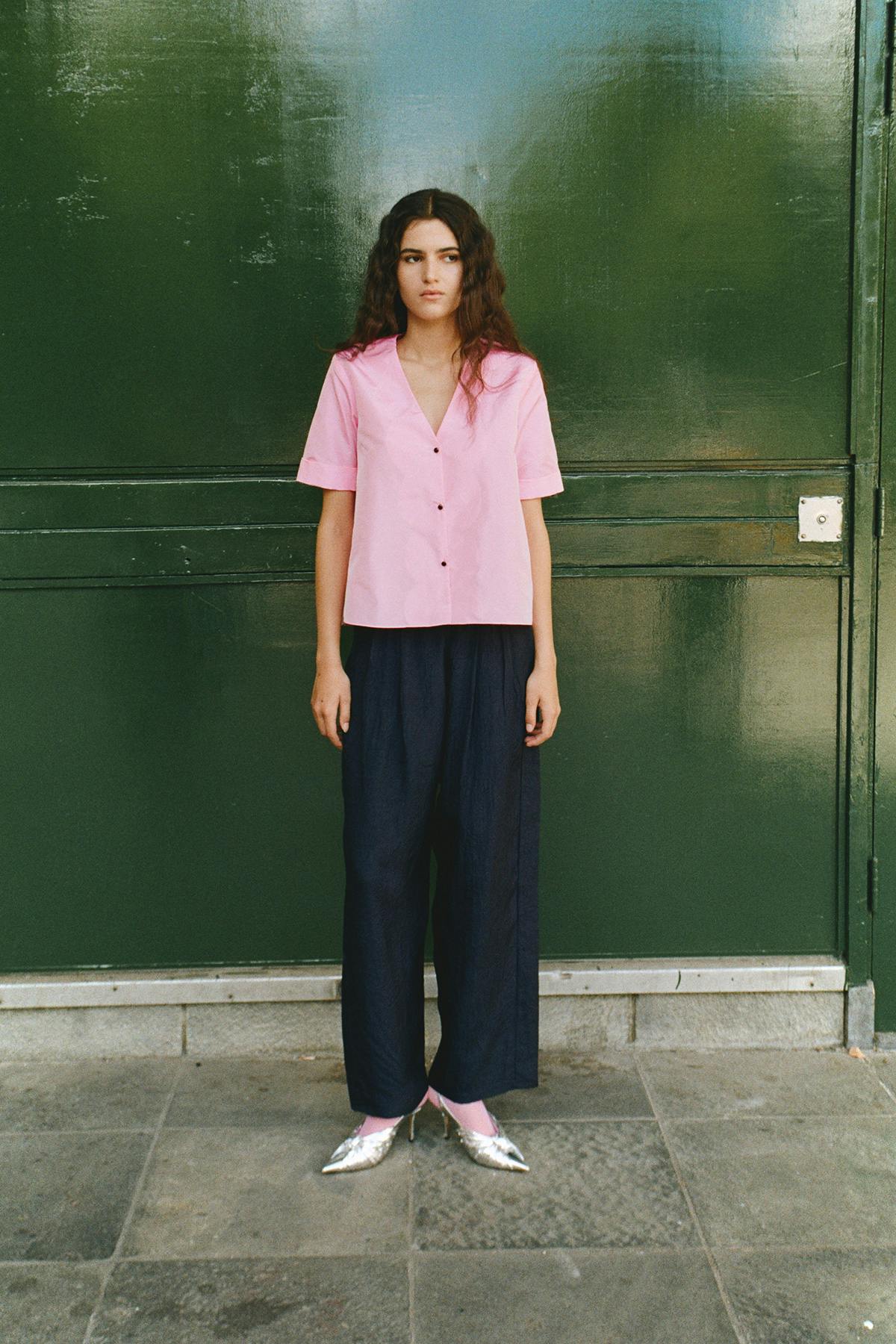
A few doors away from Camiel Fortgens, Eleph operates from the same former school building — better known to many Amsterdammers as the one-time home of legendary nightclub De School. Before starting Eleph in 2019, founder and designer Fleur Muijsson worked on the less glamorous side of fashion: inside factories and yarn mills in China, developing fabrics and overseeing production for labels including Chloé and Massimo Dutti.
Her own label starts in much the same place, scaled down to human proportions: with the fabric. Muijsson starts with a fabric she likes and lets it dictate much of what happens next. Something stiff might call for a clean cut; something softer gets to drape. From there, the clothes take on a kind of understated glamour. Nothing too fancy, but with a little sparkle, twinkle or oddity here and there. That approach travels, literally: Eleph has no stockists in Amsterdam, or even the Netherlands, but is available at some of the world’s best stores, including Neighbour in Vancouver, Maidens in Tokyo and Namu Shop in Houston.

Courtesy of Extreme Cashmere
Extreme Cashmere
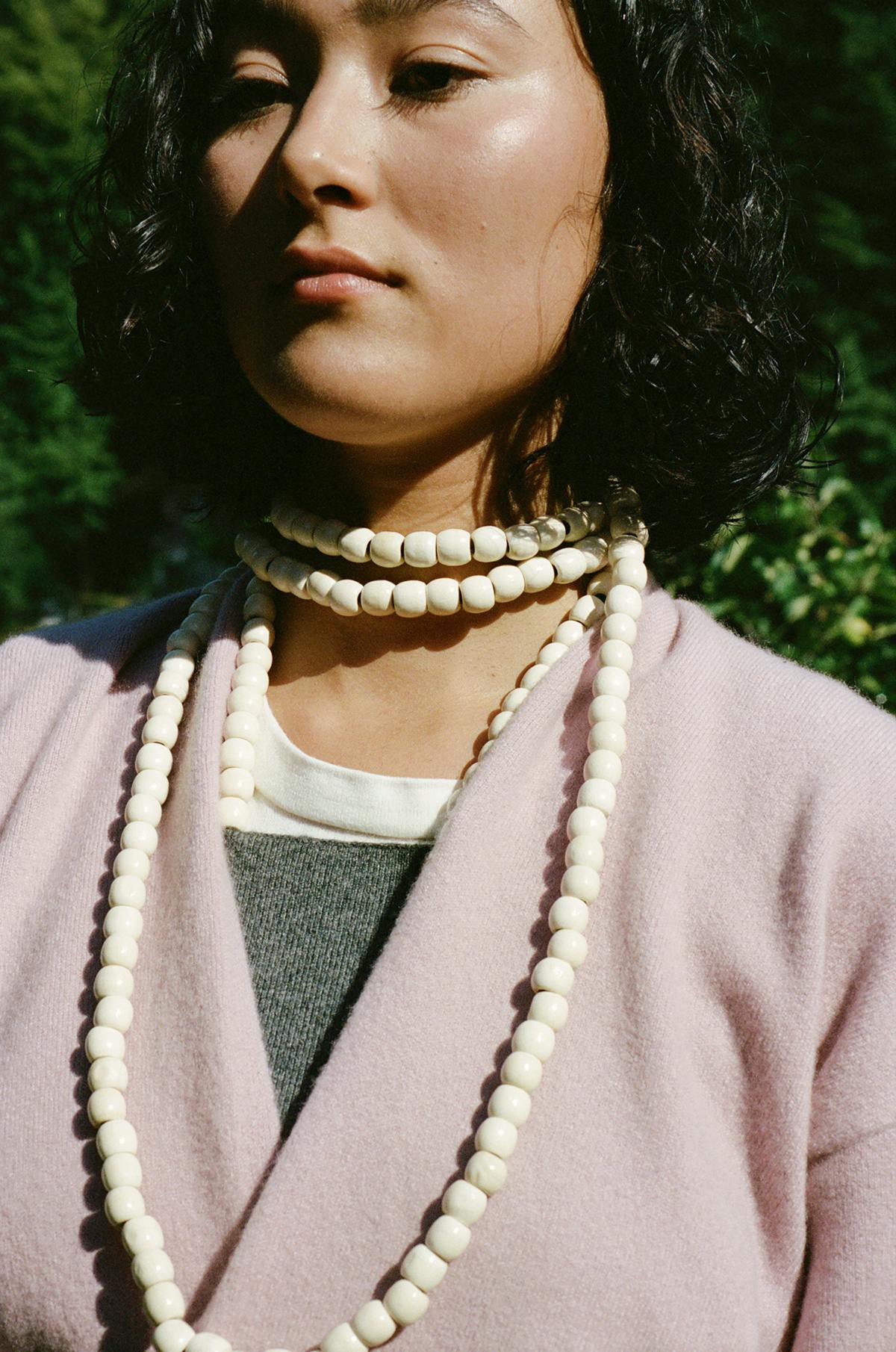
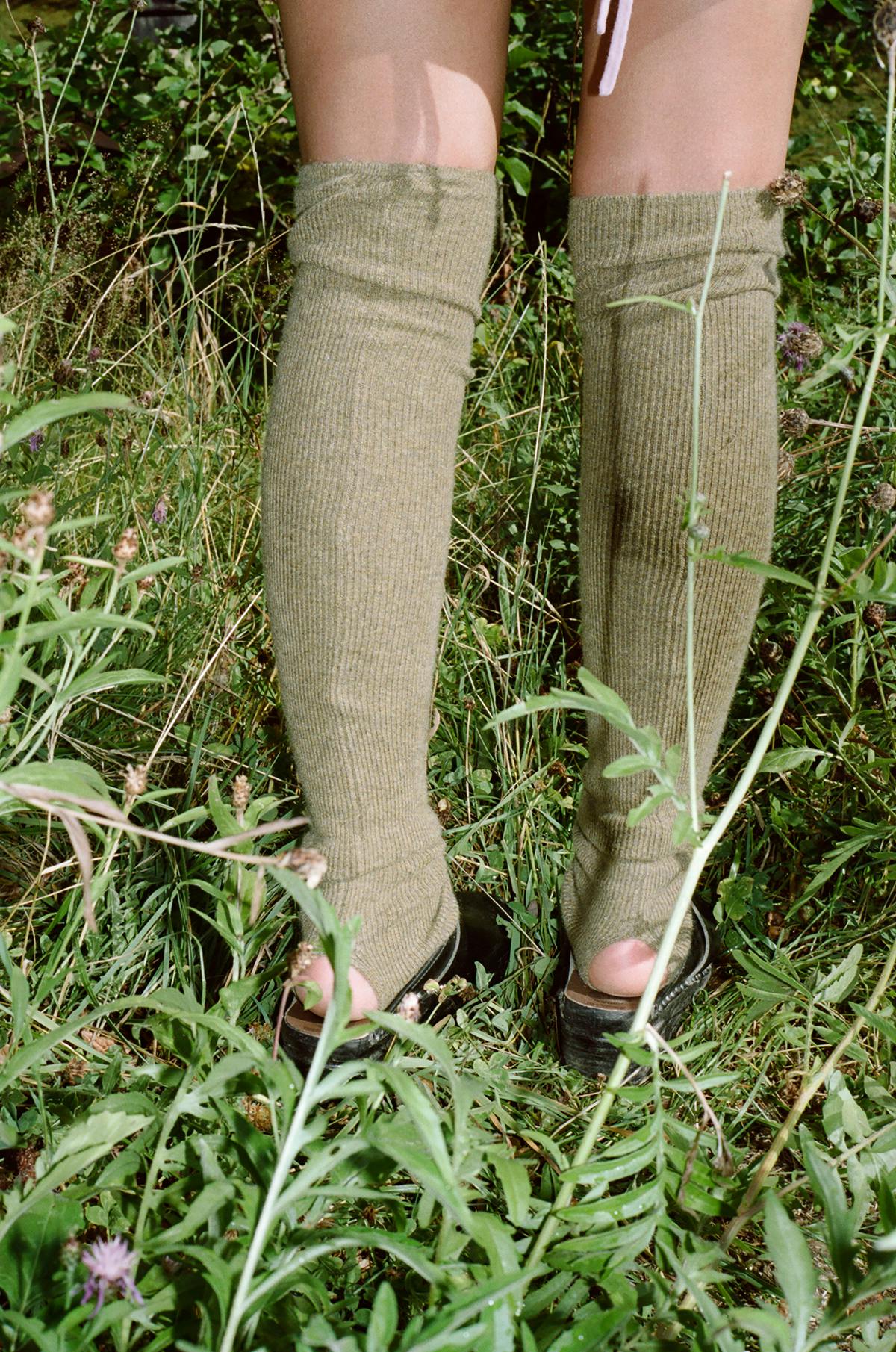
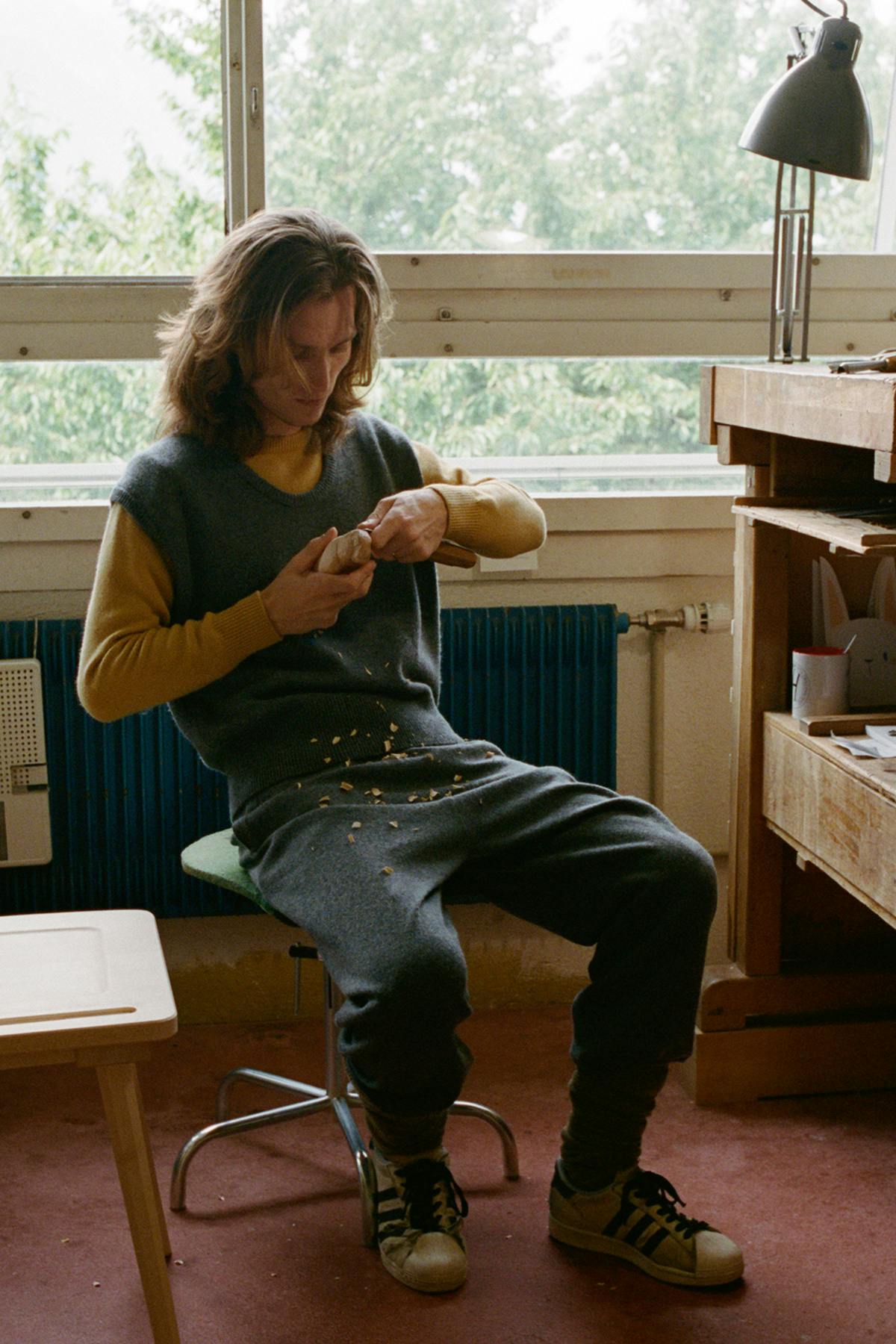
Though she is no longer involved with the brand, Fleur Muijsson worked with extreme cashmere founder Saskia Dijkstra in its early days. And as the name suggests, the label makes almost everything out of cashmere. What’s less obvious is how unfussy it is about the soft stuff itself. What began with a simple sweater has spread to minimalist T-shirts, tank tops, skirts, dresses and shorts, all unisex and one-size. The fashion calendar doesn’t mean much to extreme cashmere either. Instead of starting over every six months, or pretending to be doing so, it simply keeps adding pieces and colors to one ever-growing collection. Even its Amsterdam flagship doesn’t play by the rules. On Utrechtsestraat, it’s designed so you can barely tell it’s a store. There’s no window display and all the clothes are hidden away at the back.
Guus Kaandorp / Courtesy of BONNE
BONNE
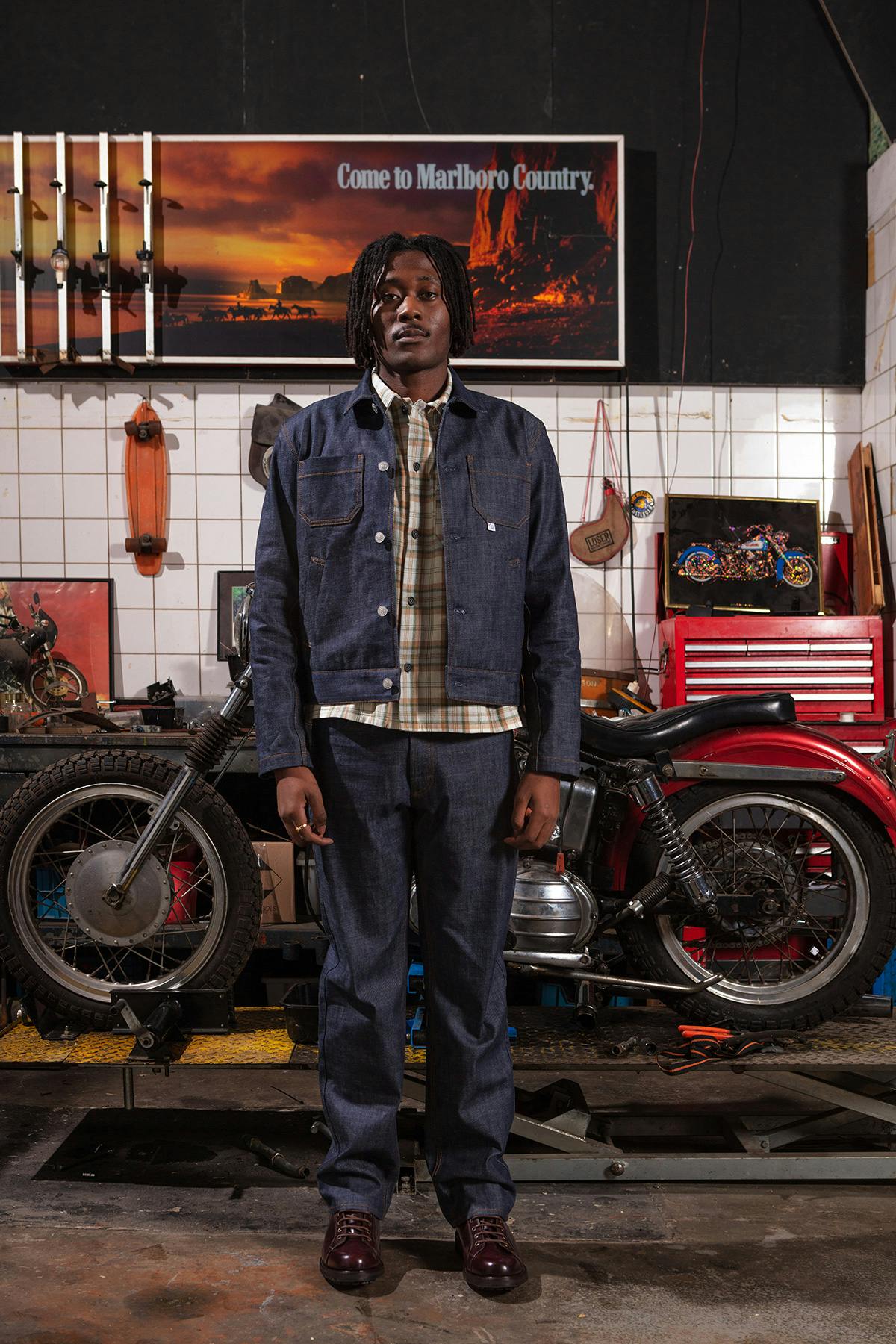
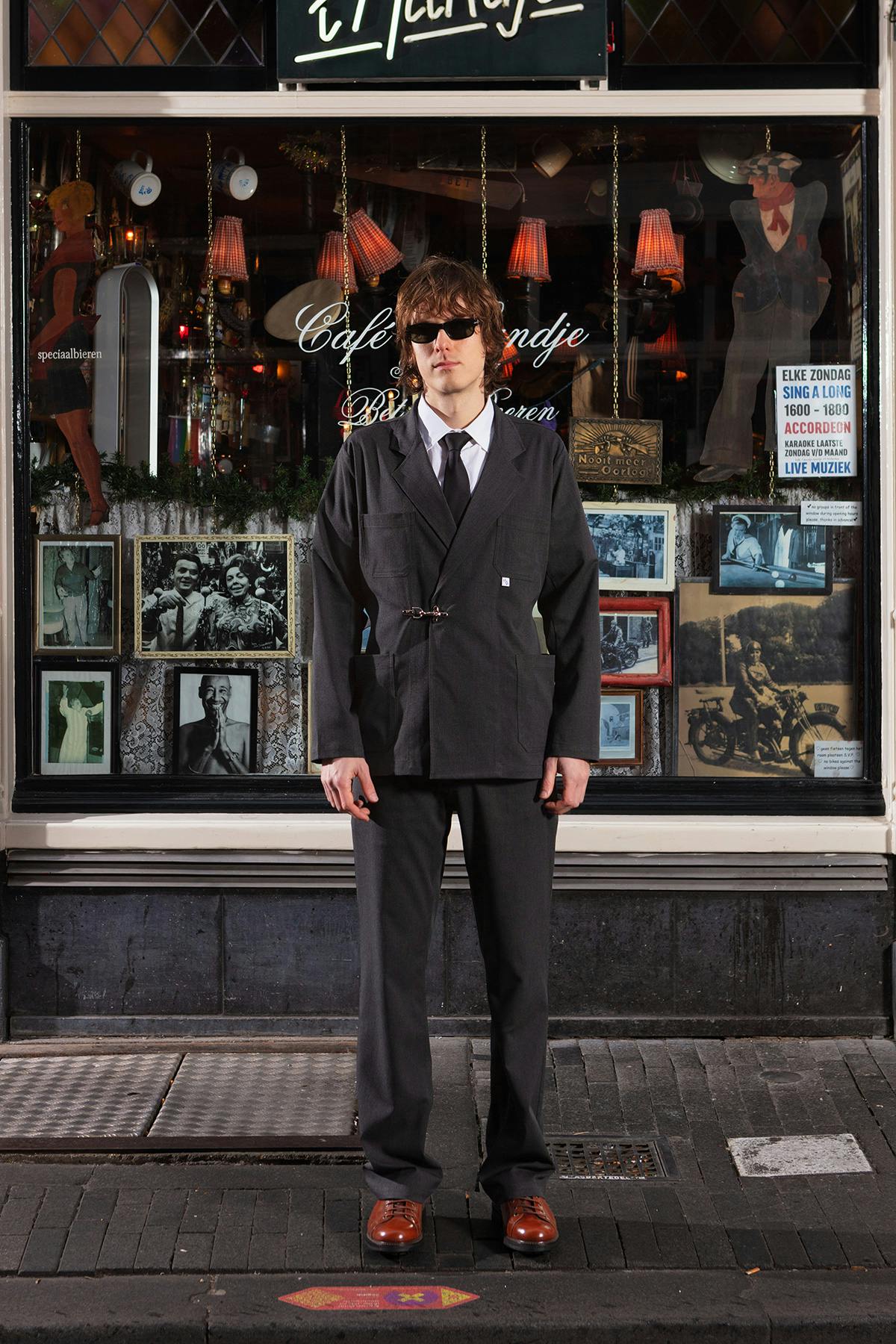
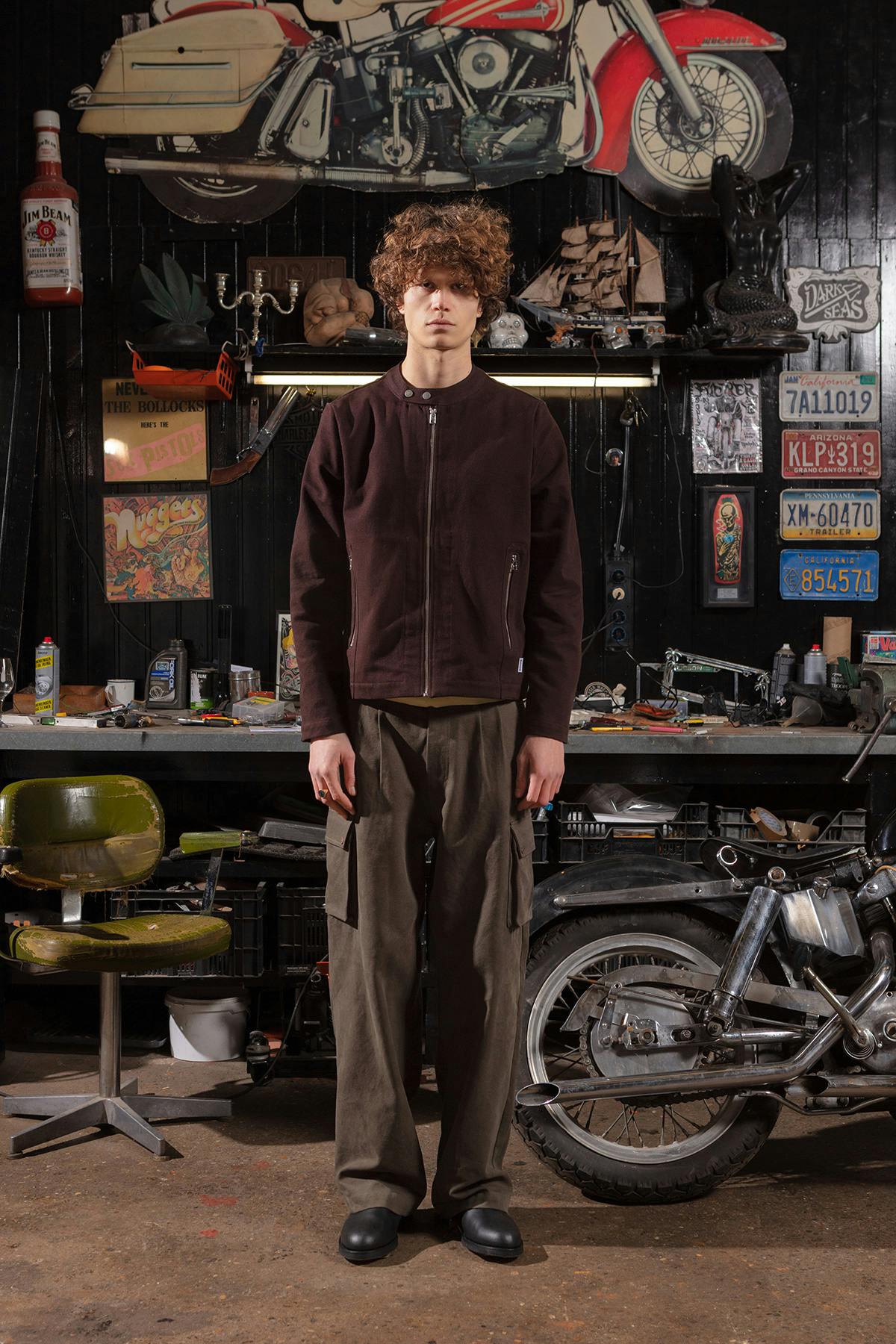
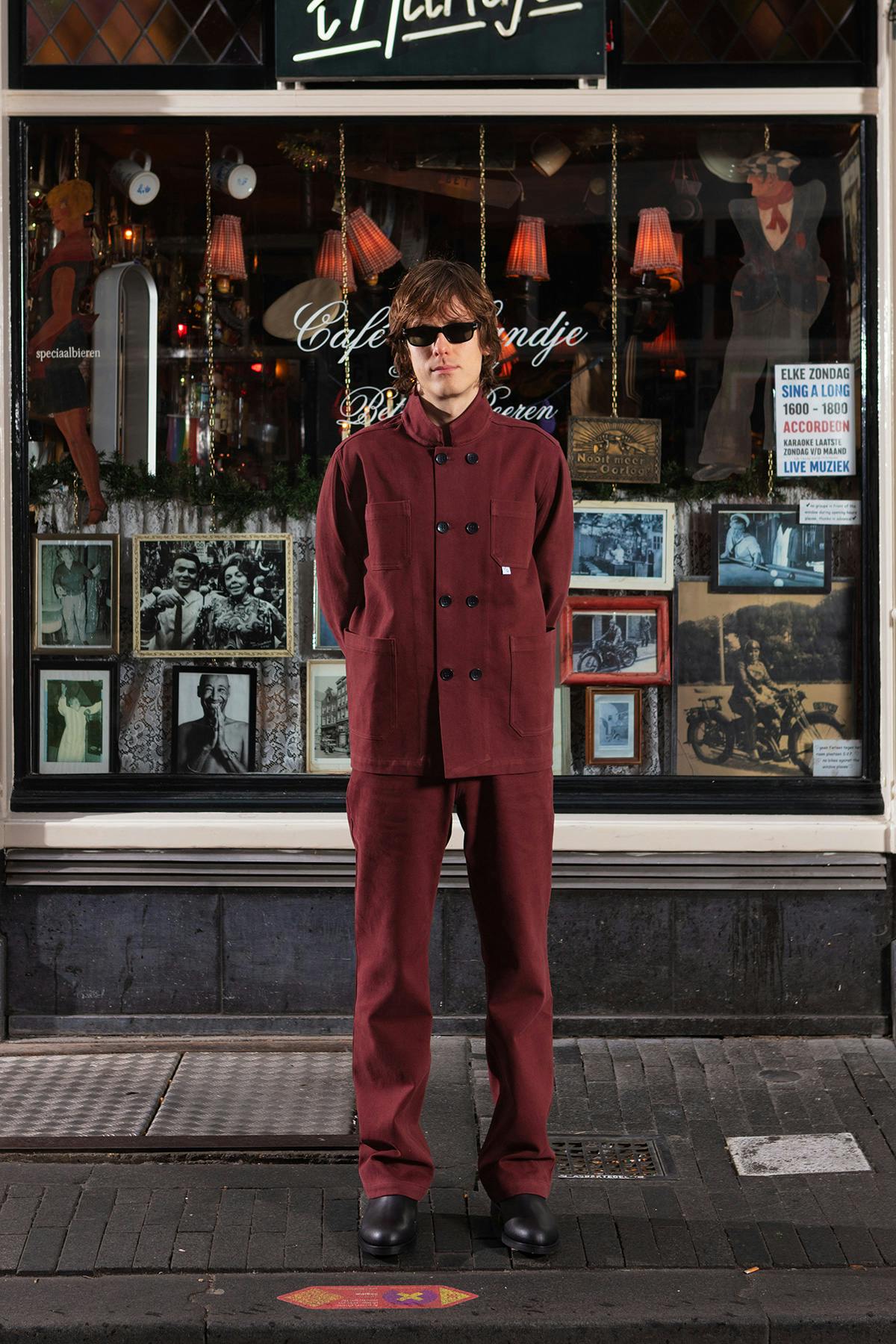
BONNE launched in 2014 with a single garment: a unisex “poor man’s” suit. Made from simple cotton in black or white, it was deliberately egalitarian: something affordable that could be worn by anyone, anywhere. A full suit still goes for around $350, but a lot else has changed for the label since then. BONNE, along with its founder and designer Bonne Reijn, has become something of a cultural force in Amsterdam, particularly around the Zeedijk, a historic street in the heart of the city. A lot of that runs through Patta, one of the city’s most global brands. Reijn styled for them before starting BONNE, and Patta later helped him secure a space, alongside The New Originals and SUMIBU, the clothing label of hip-hop collective SMIB.
Today, BONNE has its own flagship on Warmoesstraat, which doubles as an art gallery, bookshop and recording studio. Meanwhile, the label’s collections have expanded too, now including a workwear-inflected wardrobe of shirts, pants, jackets and bags. Its latest, Autumn/Winter 2026 (“The Biker”), is inspired by legendary Amsterdam queer icon Bet van Beeren, who ran Café ‘t Mandje on — where else? — the Zeedijk.
Courtesy of Patta
Patta
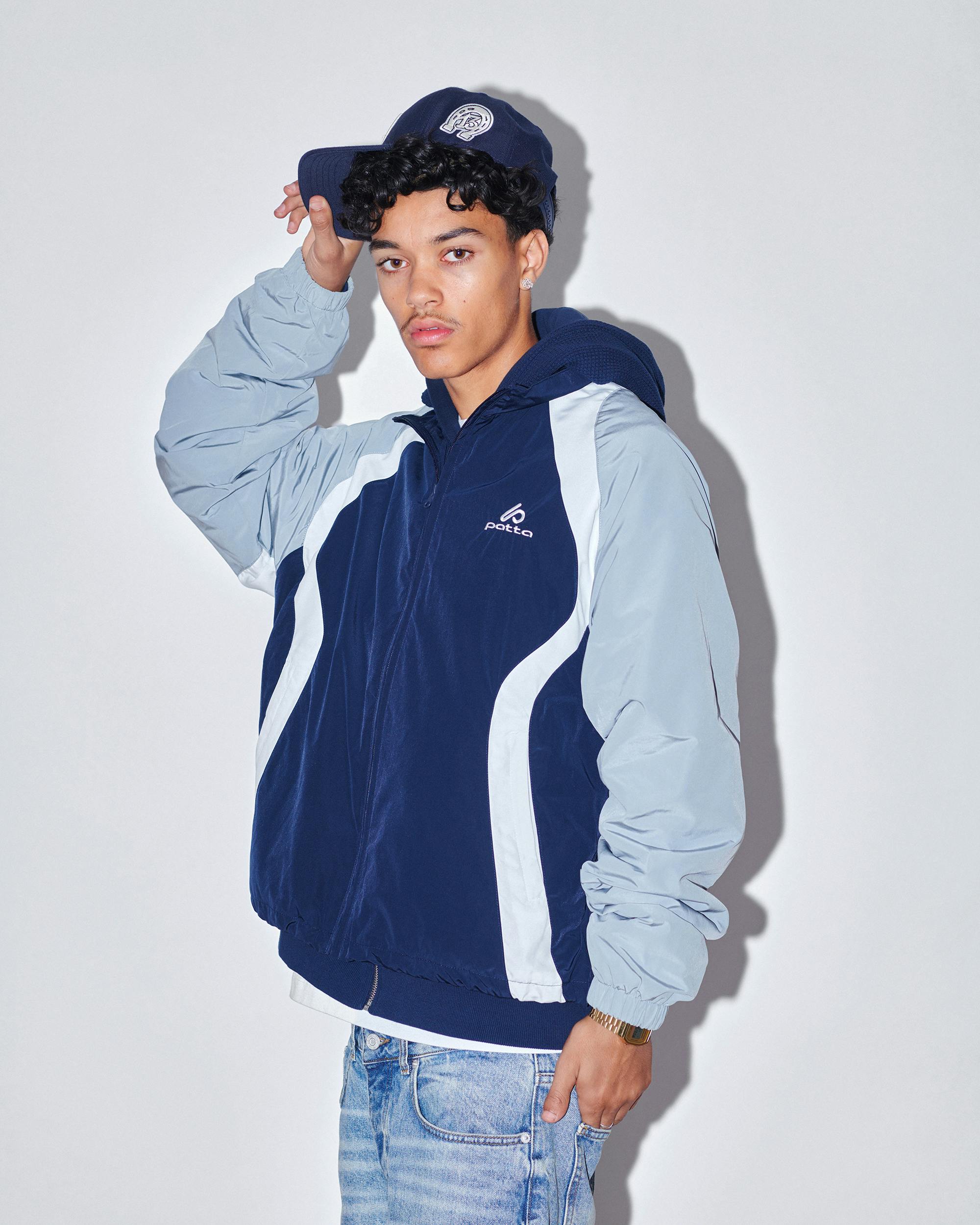
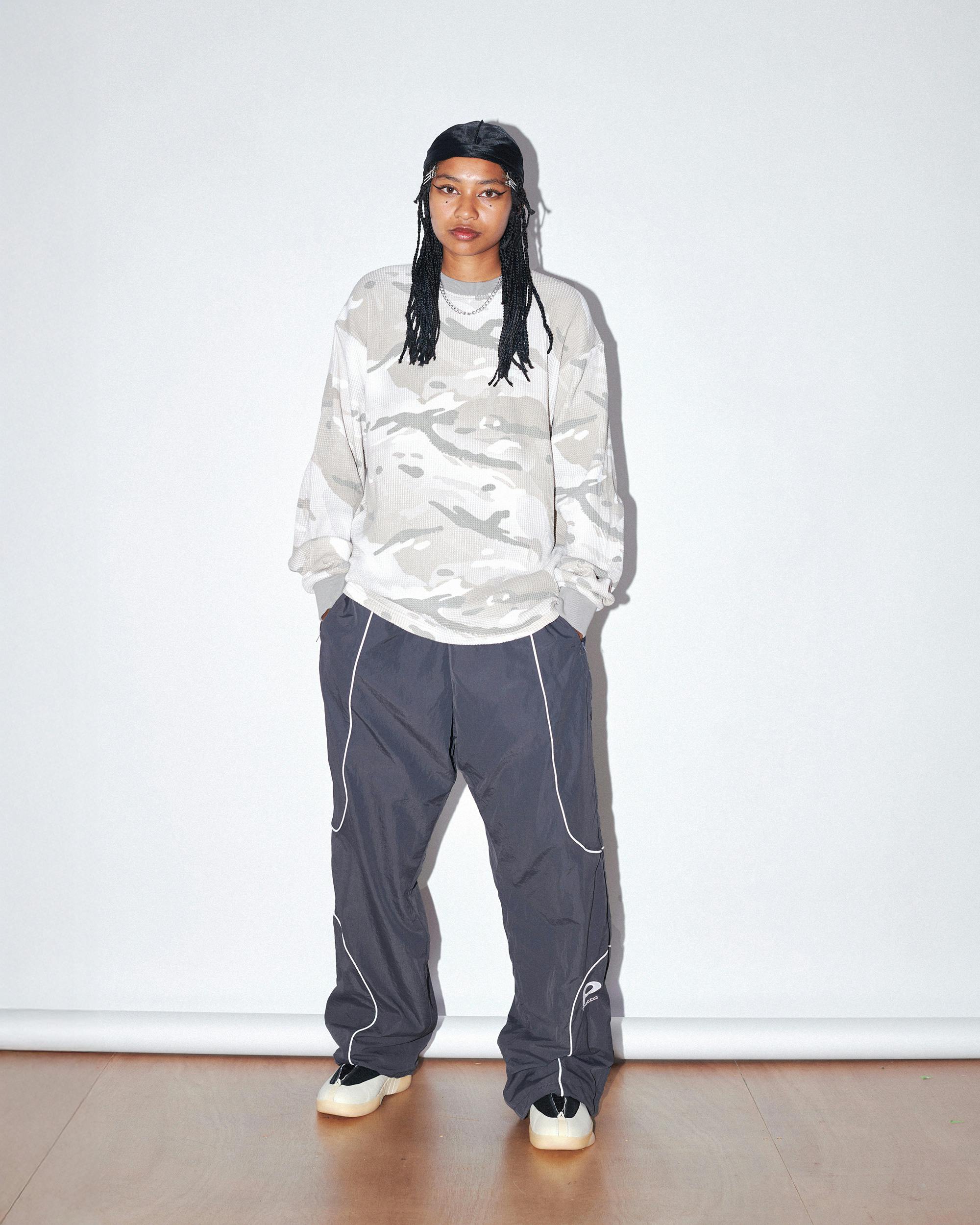
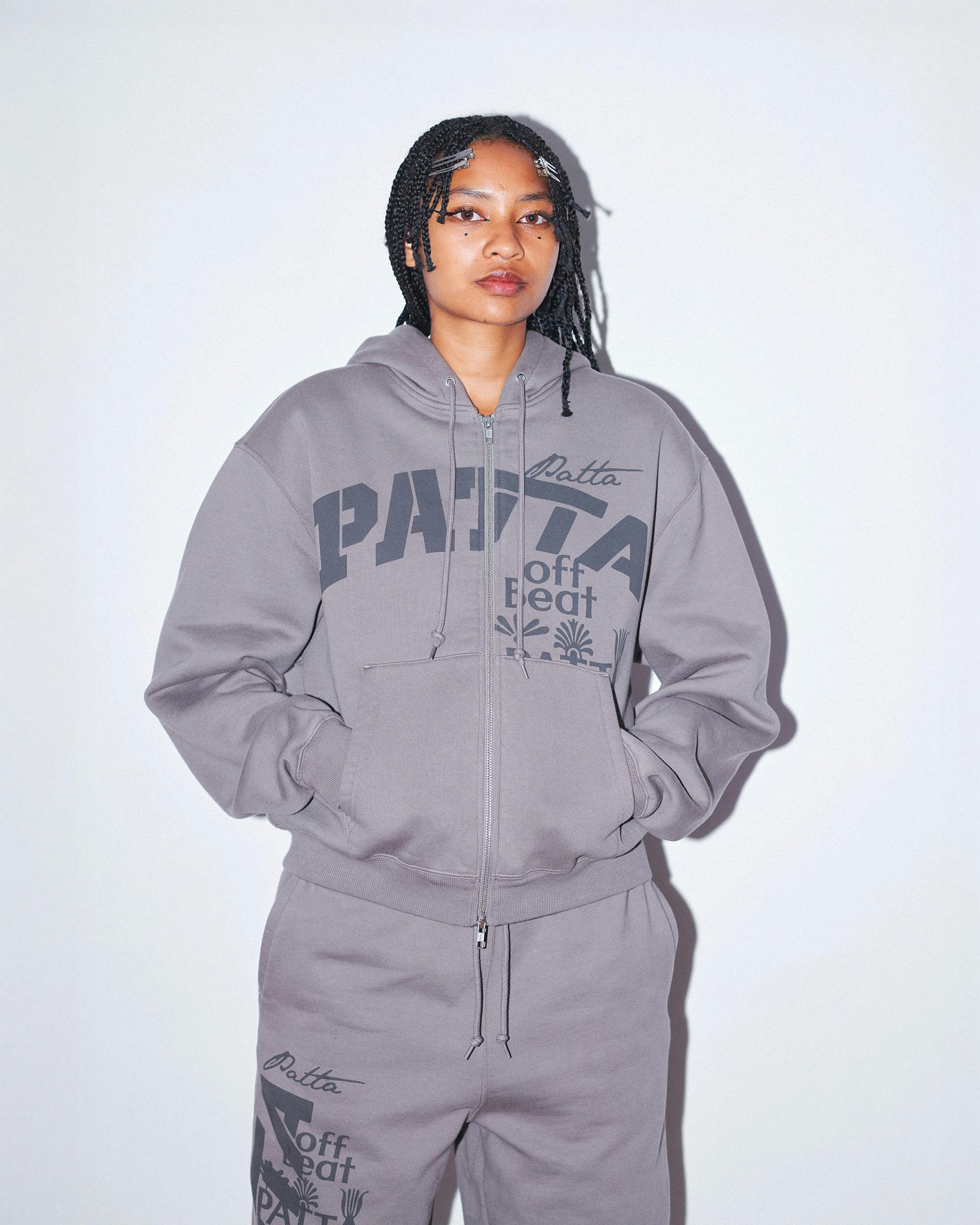
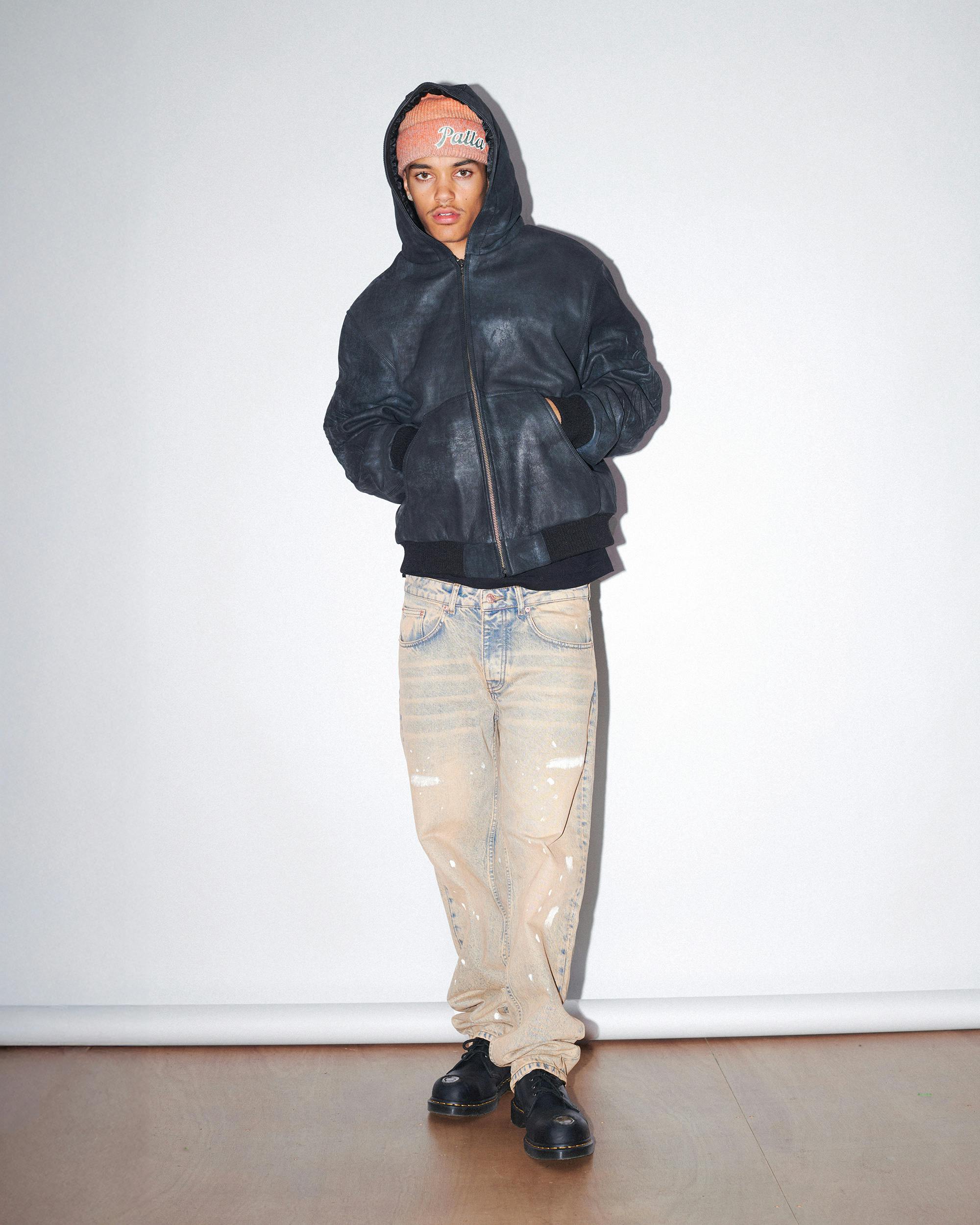
Now a streetwear institution with ongoing A-list collaborations under its belt, Patta wasn’t supposed to become a fashion brand at all. Founded back in 2004 by Edson Sabajo and Guillaume “Gee” Schmidt, Patta — Surinamese slang for shoe — started as a store, importing hard-to-find footwear from abroad for Amsterdam’s sneakerheads. The clothes came later, initially as little more than merchandise for friends and family, before taking on a life of their own. That’s basically how Patta still works, though on a global scale: something starts within the community, then evolves into something bigger. A group of friends running together became the Patta Running Team; its roots in the local hip-hop scene gave rise to Patta Soundsystem; a summer school for local youths became Patta Academy. Clothes are important, obviously. But with Patta, what grows around them might be even more so.

Courtesy of Pop Trading Company
Pop Trading Company
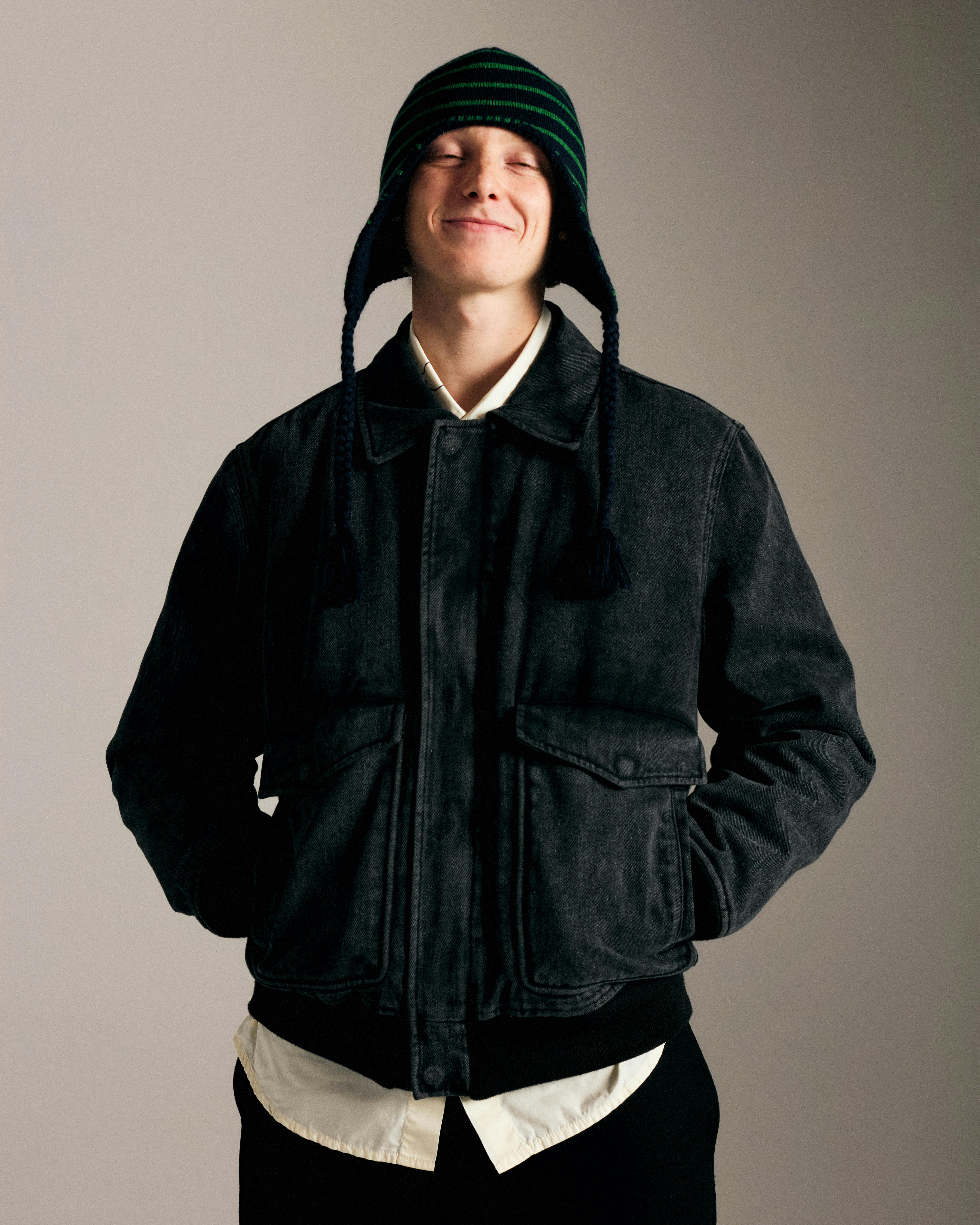
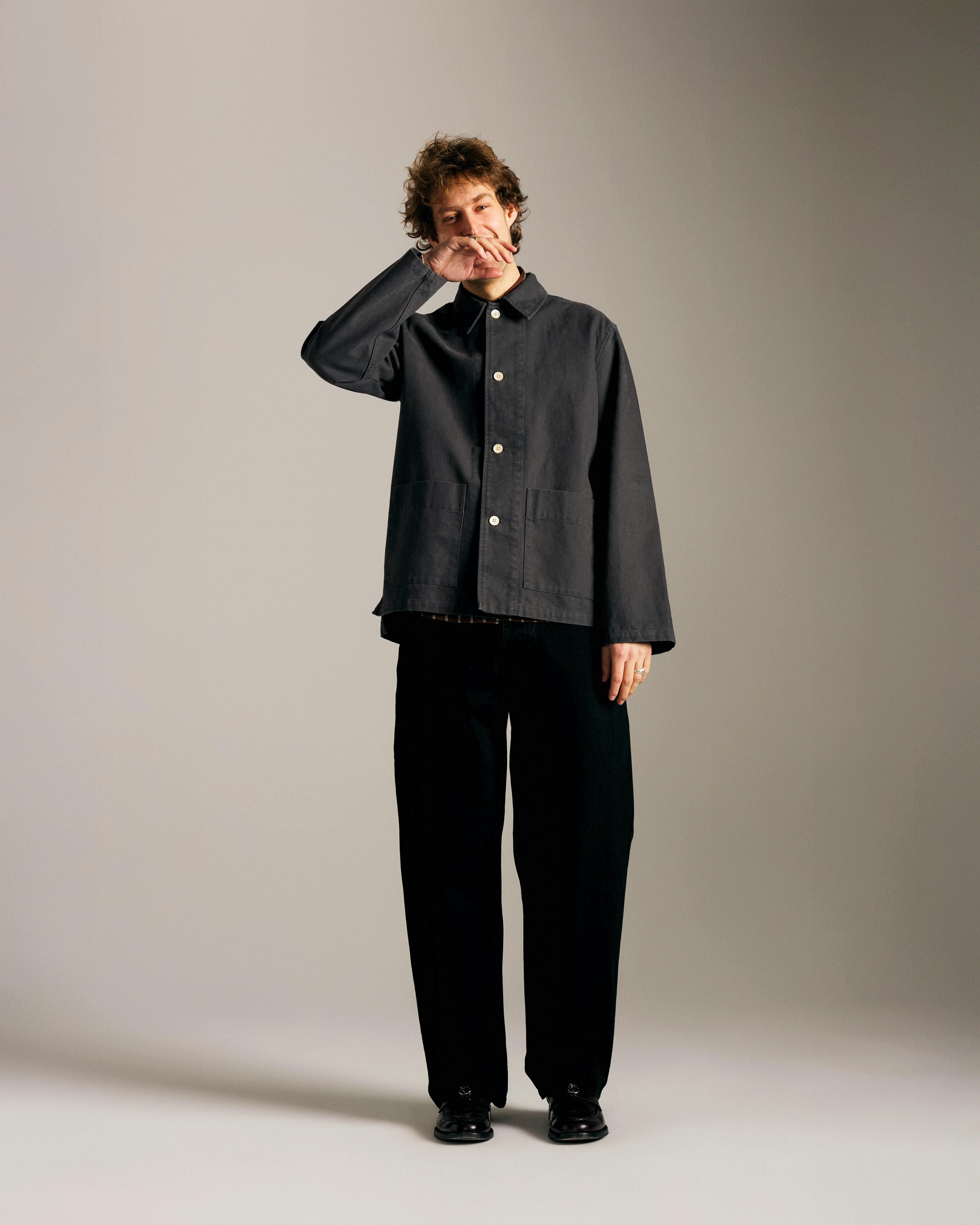
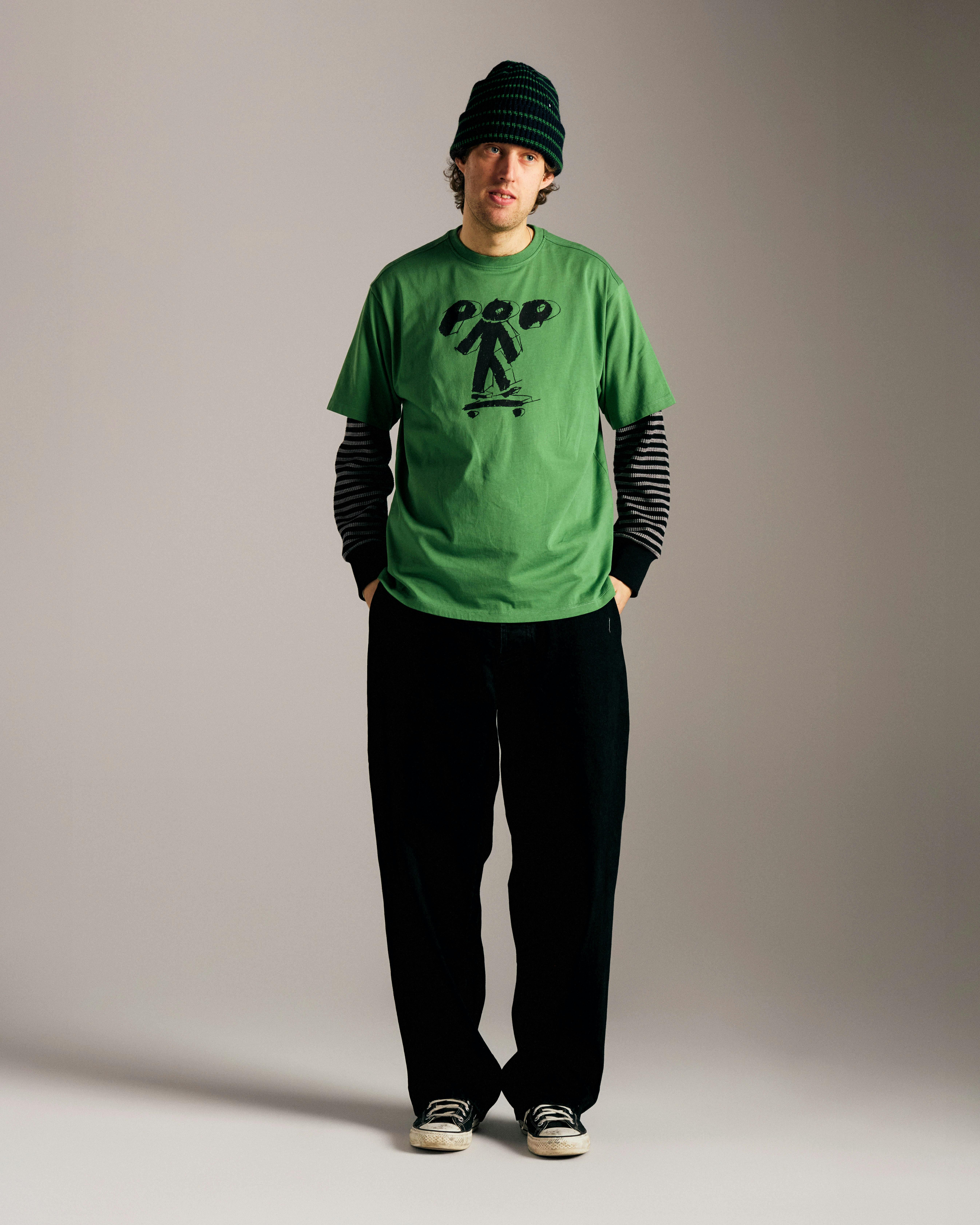
Pop Trading Company started out as exactly what its name suggests: a trading company. Founded by Peter Kolks and Ric van Rest in 2013, it distributed skate brands including Palace, Polar and Magenta across the Benelux, while supporting its own crew of skaters on the side. When the duo started making clothes themselves a few years later, they had something more high-end in mind. Both were skaters as much as menswear guys, into Our Legacy and Dries Van Noten alike, and saw no reason why skatewear had to stop at printed tees and hoodies. Instead, they created what Kolks has called “considered skatewear”: Harrington-style jackets, half-zip sweaters and field shirts, all made from quality fabrics but sturdy enough to take a fall. That’s not your typical “skate brand.” Skating isn’t far away, though. Pop’s own riders still model the collections, showing that a menswear guy and a skater can be one and the same person.
Courtesy of Eva Roefs / Lack of Guidance
Lack of Guidance
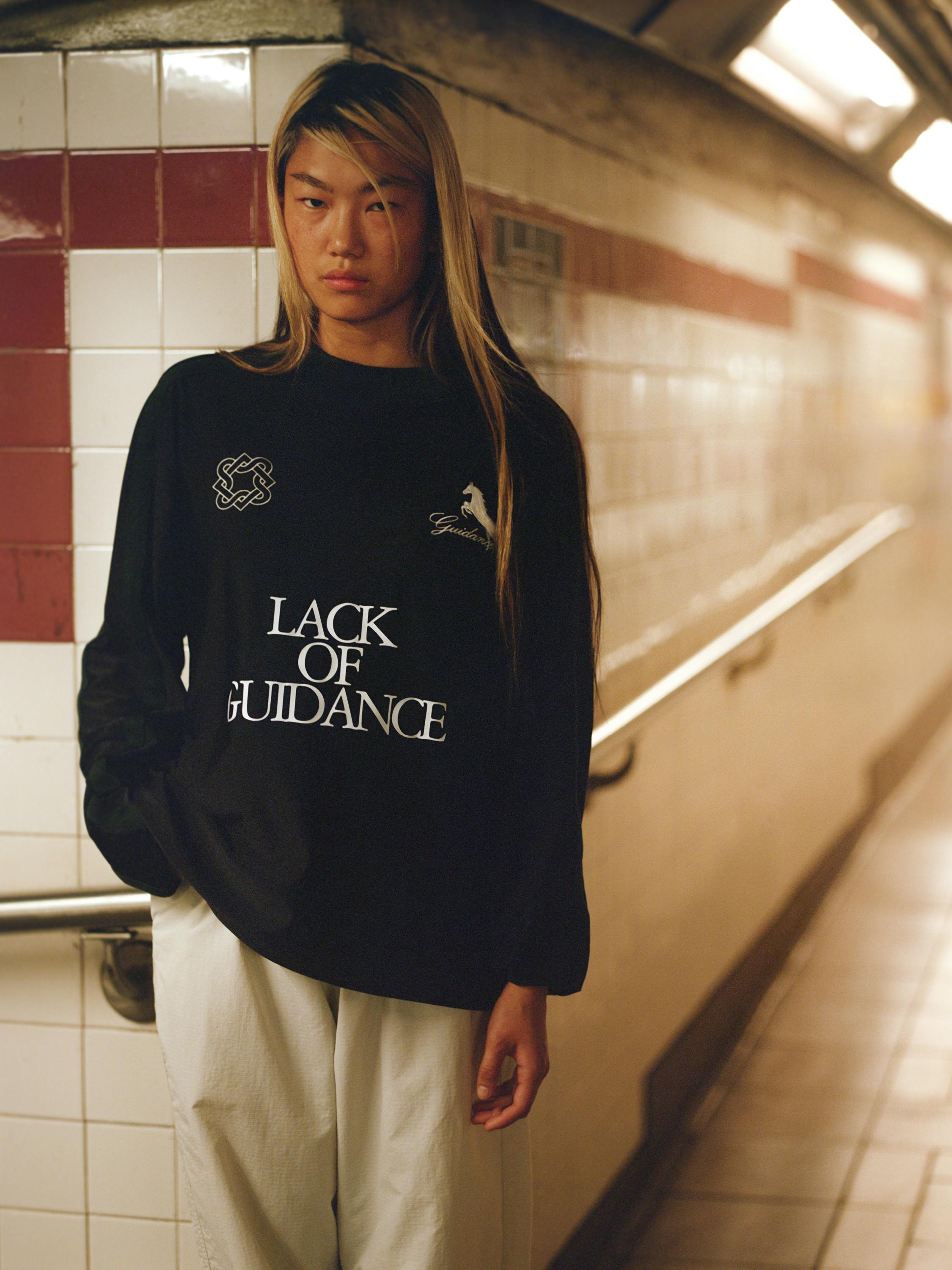
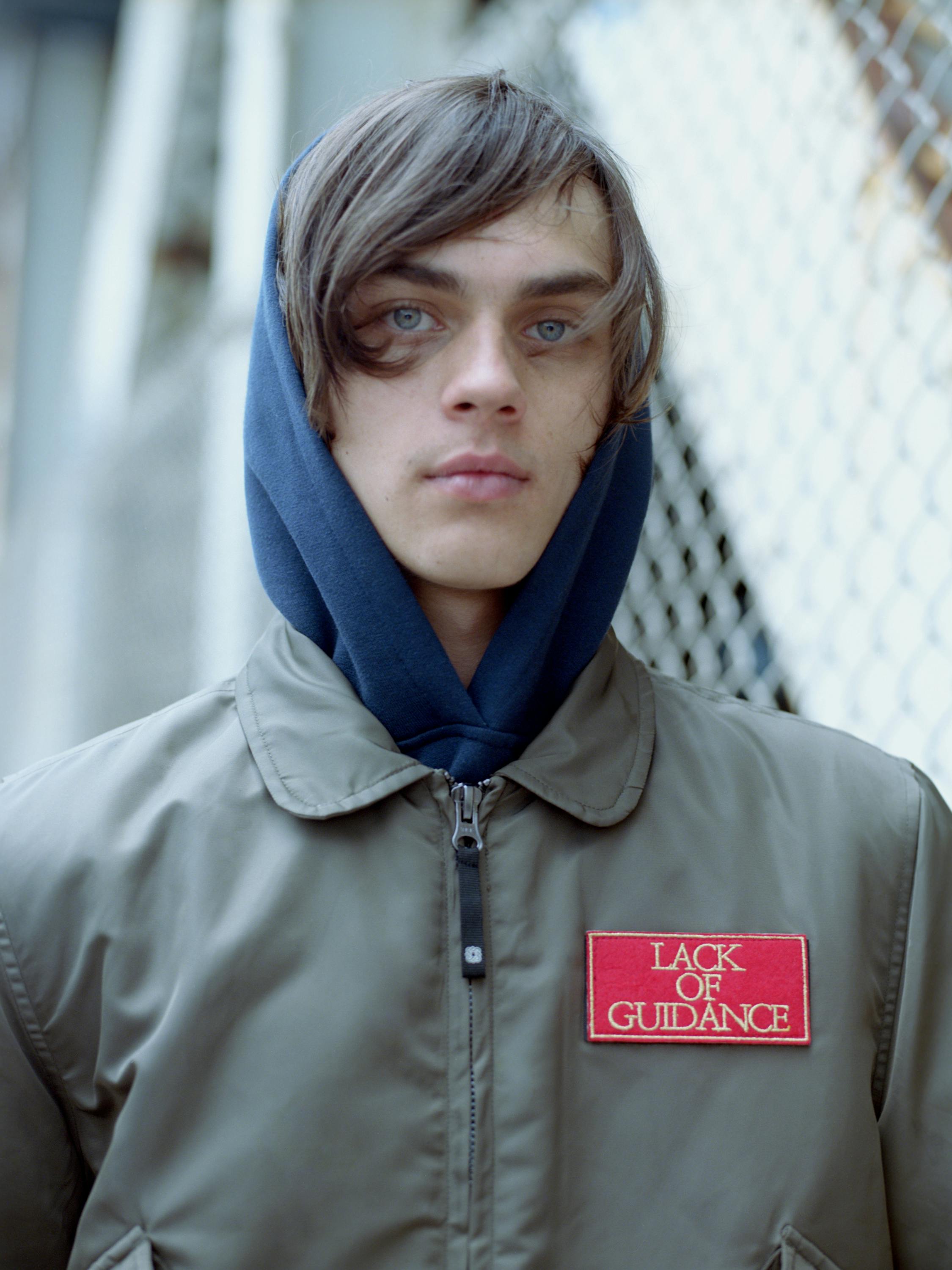
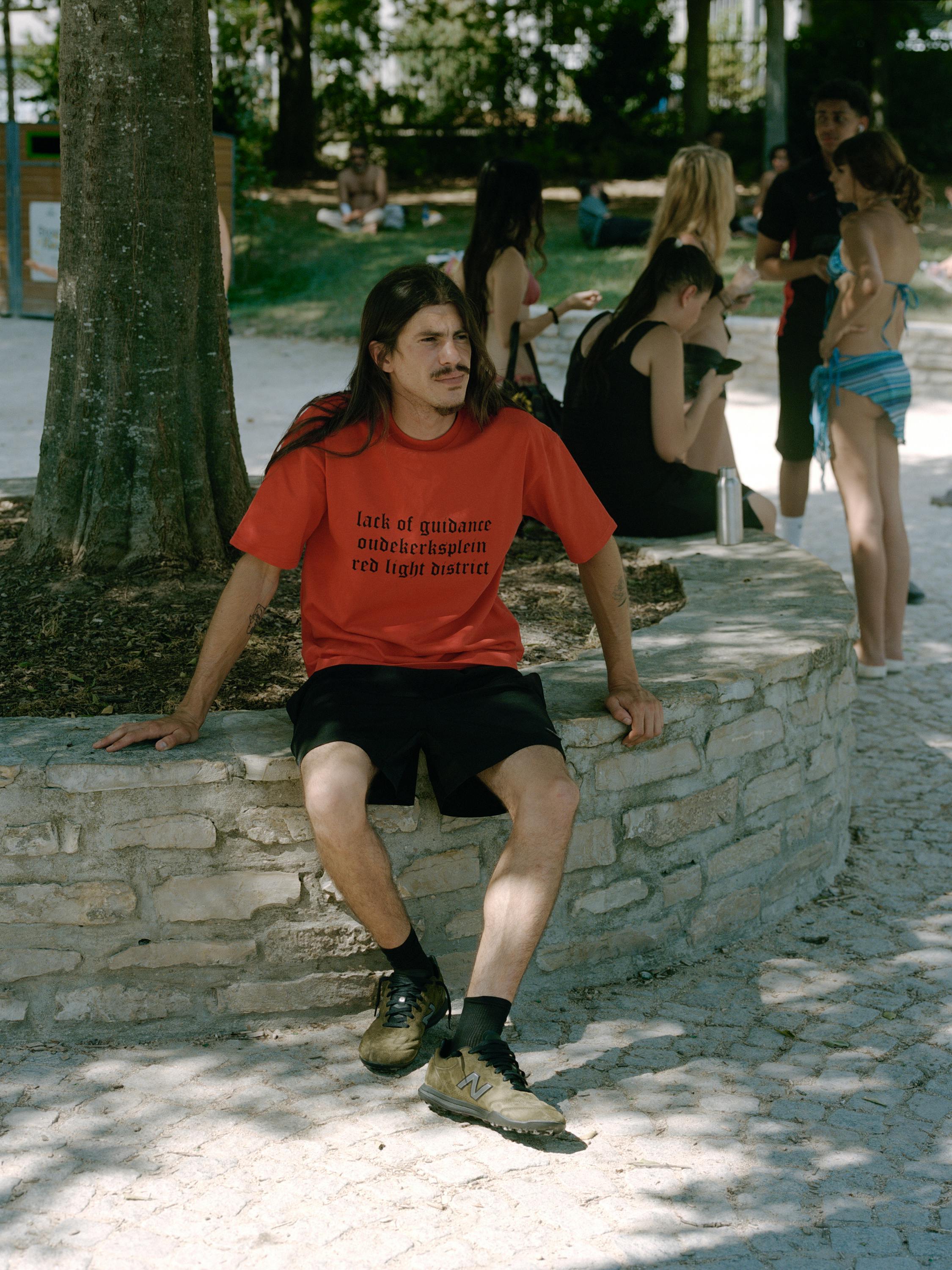
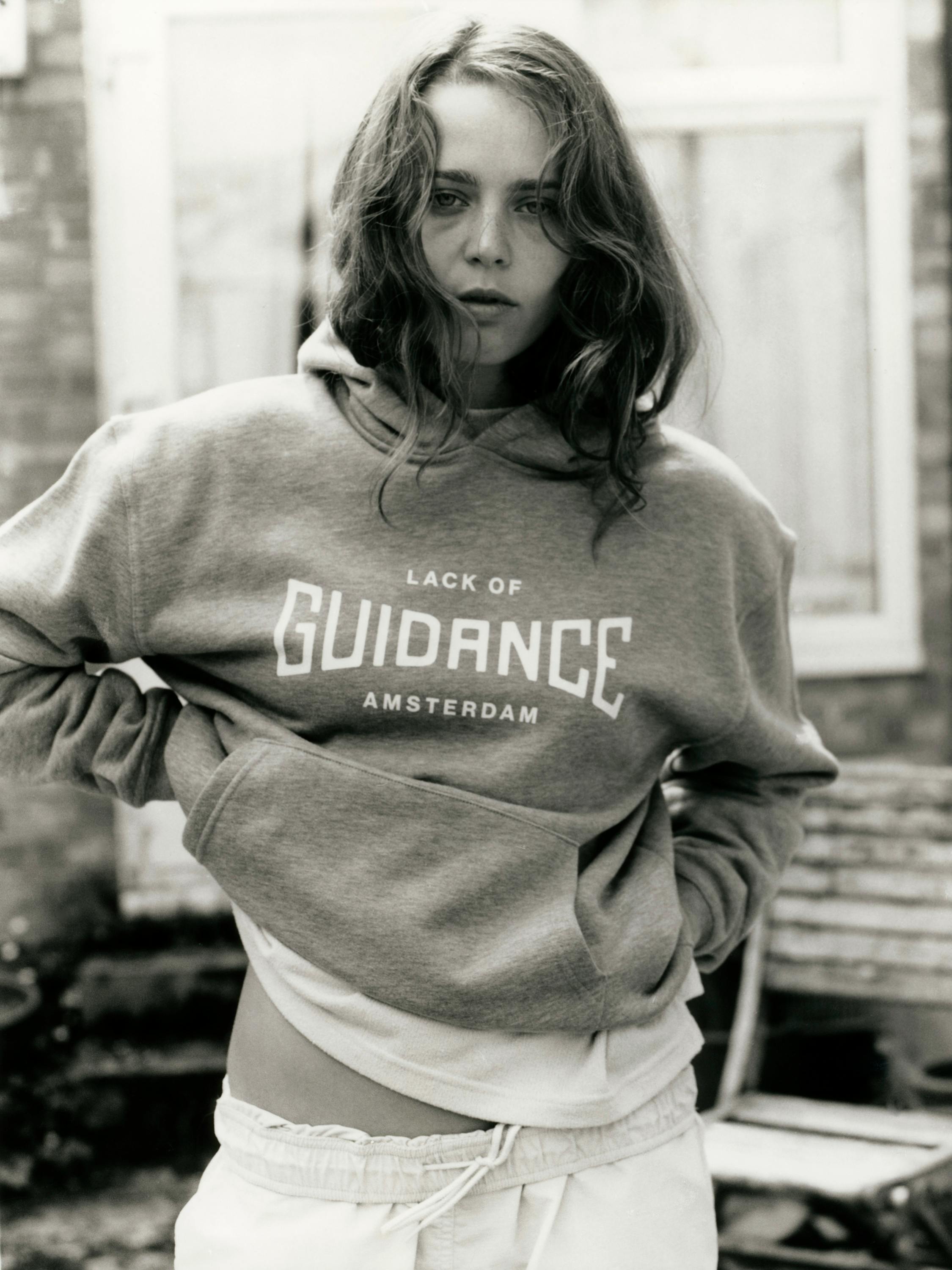
Already in 2016, years before football became fashion’s favorite sport, Akaar Amin and Rens van Strien knew it was cool. Not that they were the first, obviously. Amin, who grew up spending endless afternoons playing on neighborhood pitches, knows he's walking in the footsteps of Dirk Bikkembergs, the lesser-known member of the Antwerp Six who made football central to his work around the turn of the millennium. With Lack of Guidance, Amin is interested in more than football’s visual aesthetic: he's after its entire culture, from old kits and forgotten players to terrace rituals, national identity and local rivalries. For its latest New Balance collaboration, launched in April, it took the humble neon training bib as the starting point for an 11-piece collection of jerseys, shorts, tracksuits and bags.
Lack of Guidance’s graphic-heavy clothing is sold worldwide, but its credibility is strongest close to home. Spot someone wearing it in Amsterdam and you can safely assume you’ve landed somewhere cool.
Boris Lutters / Courtesy of Sine & Cosine
Sine & Cosine
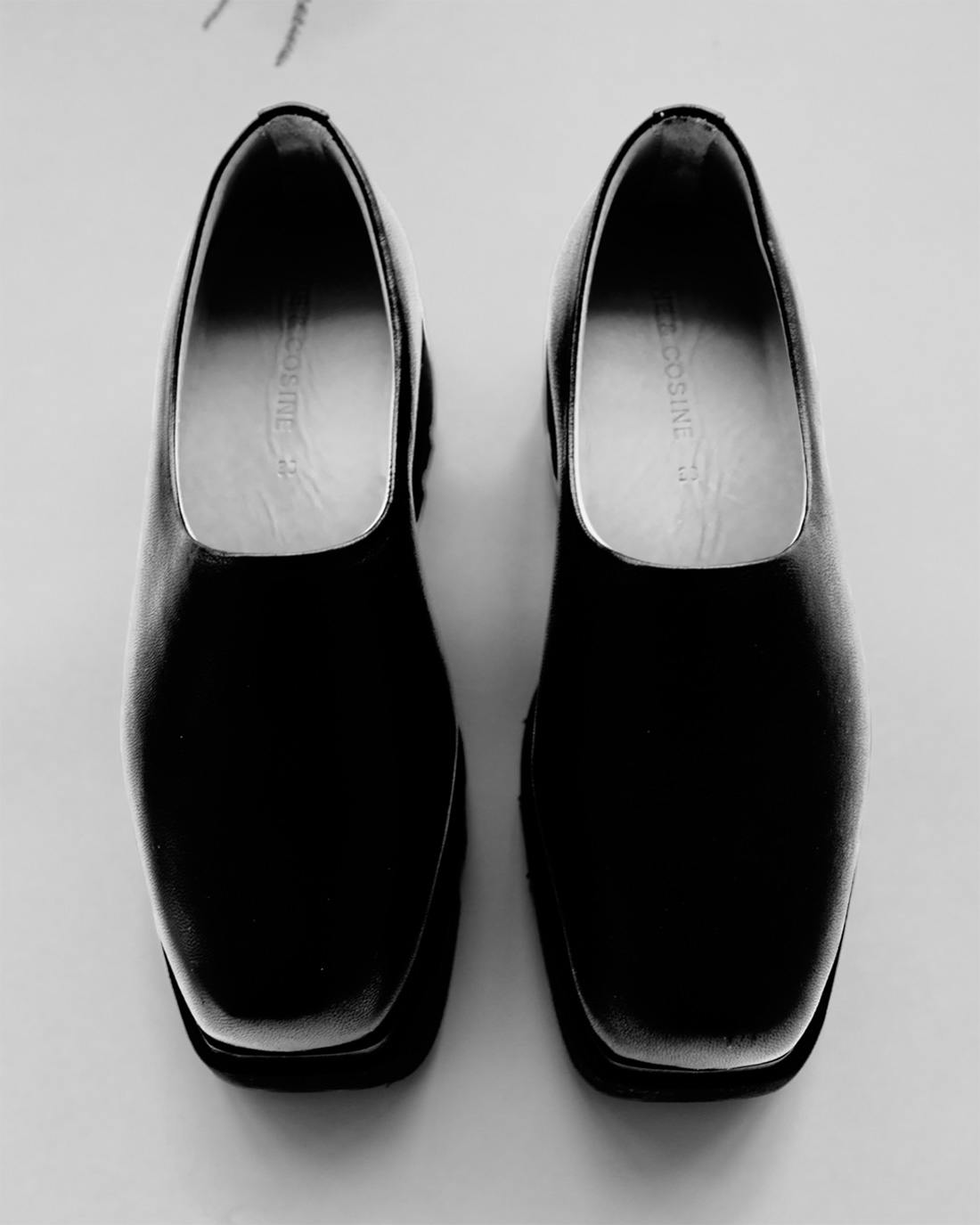
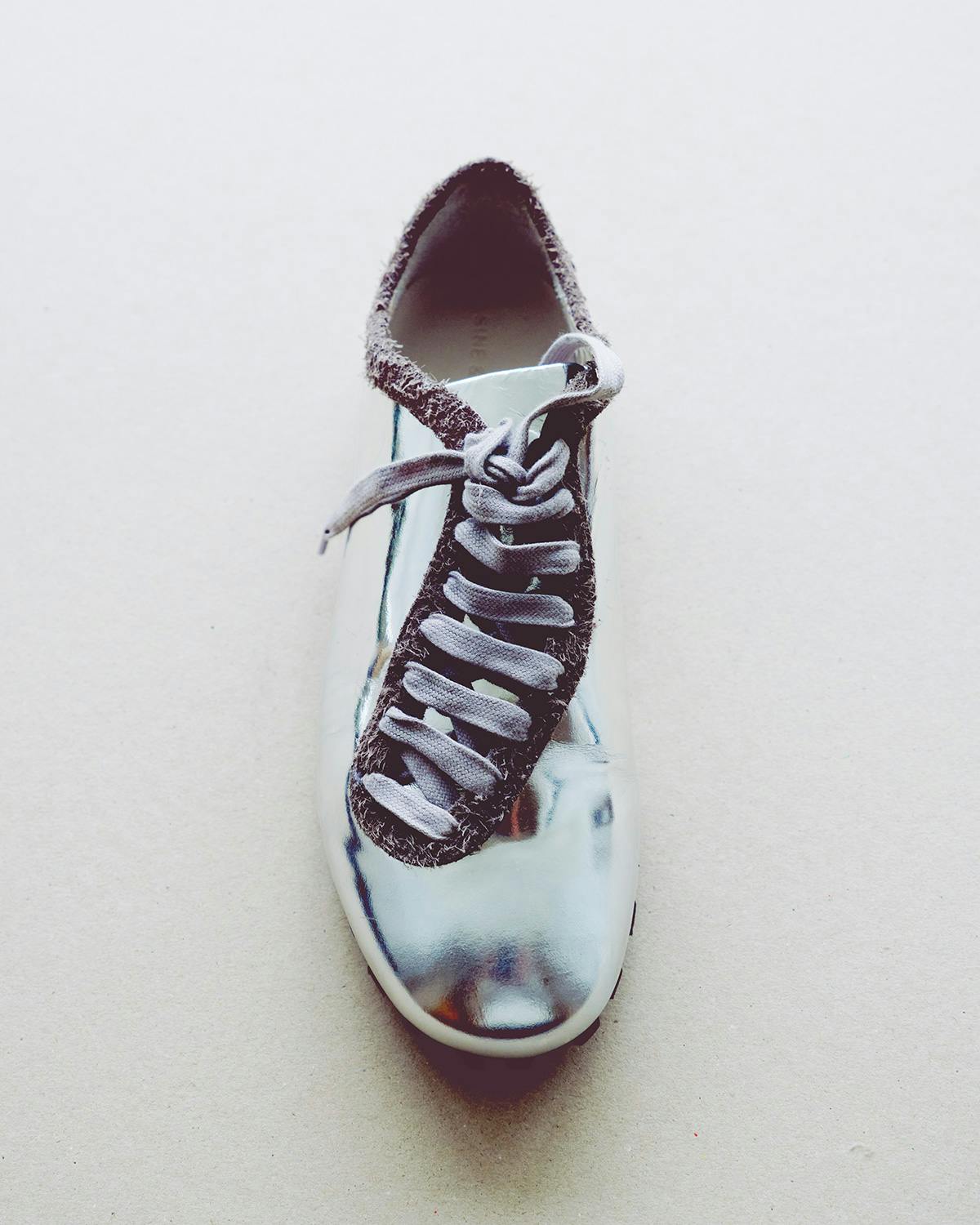
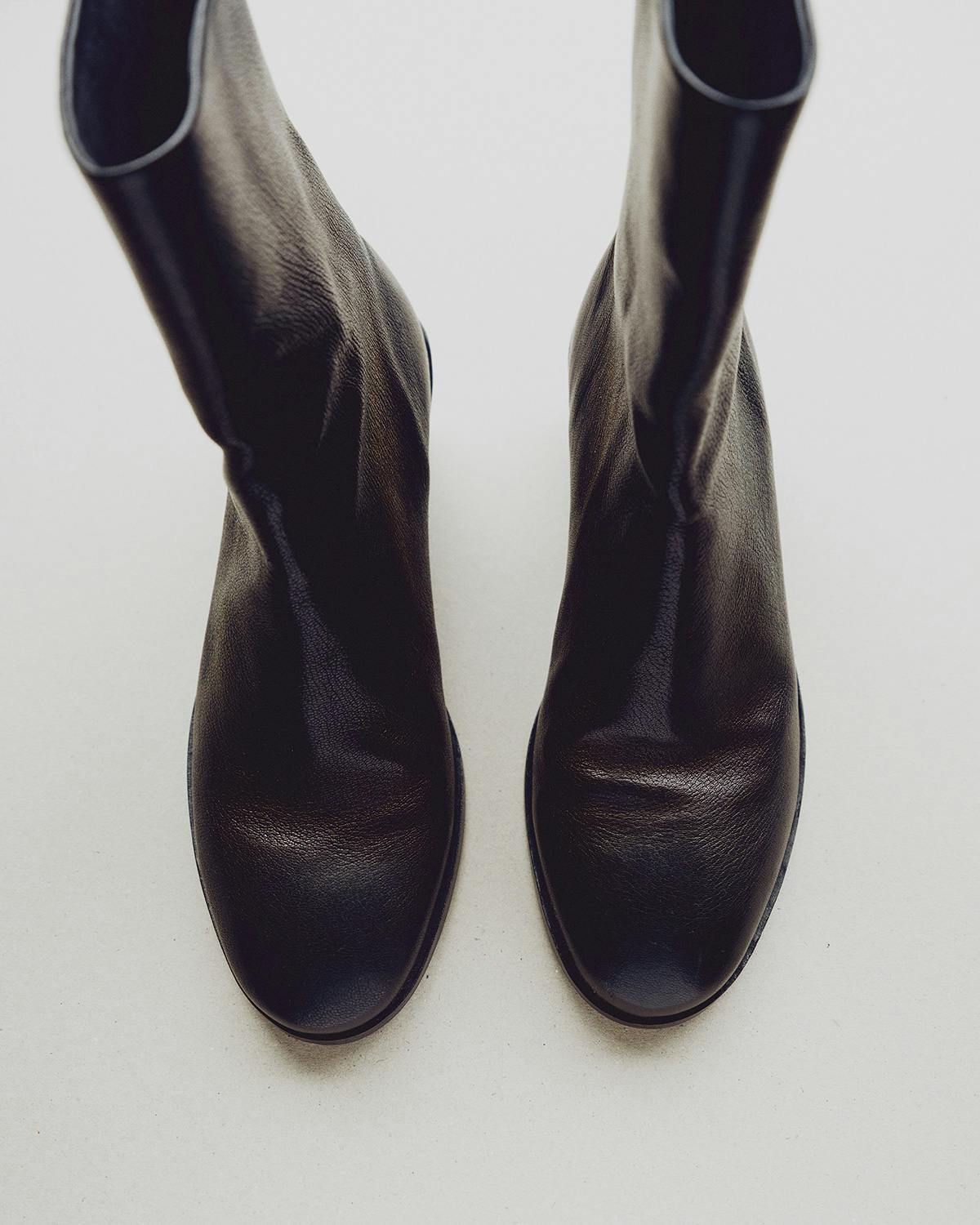
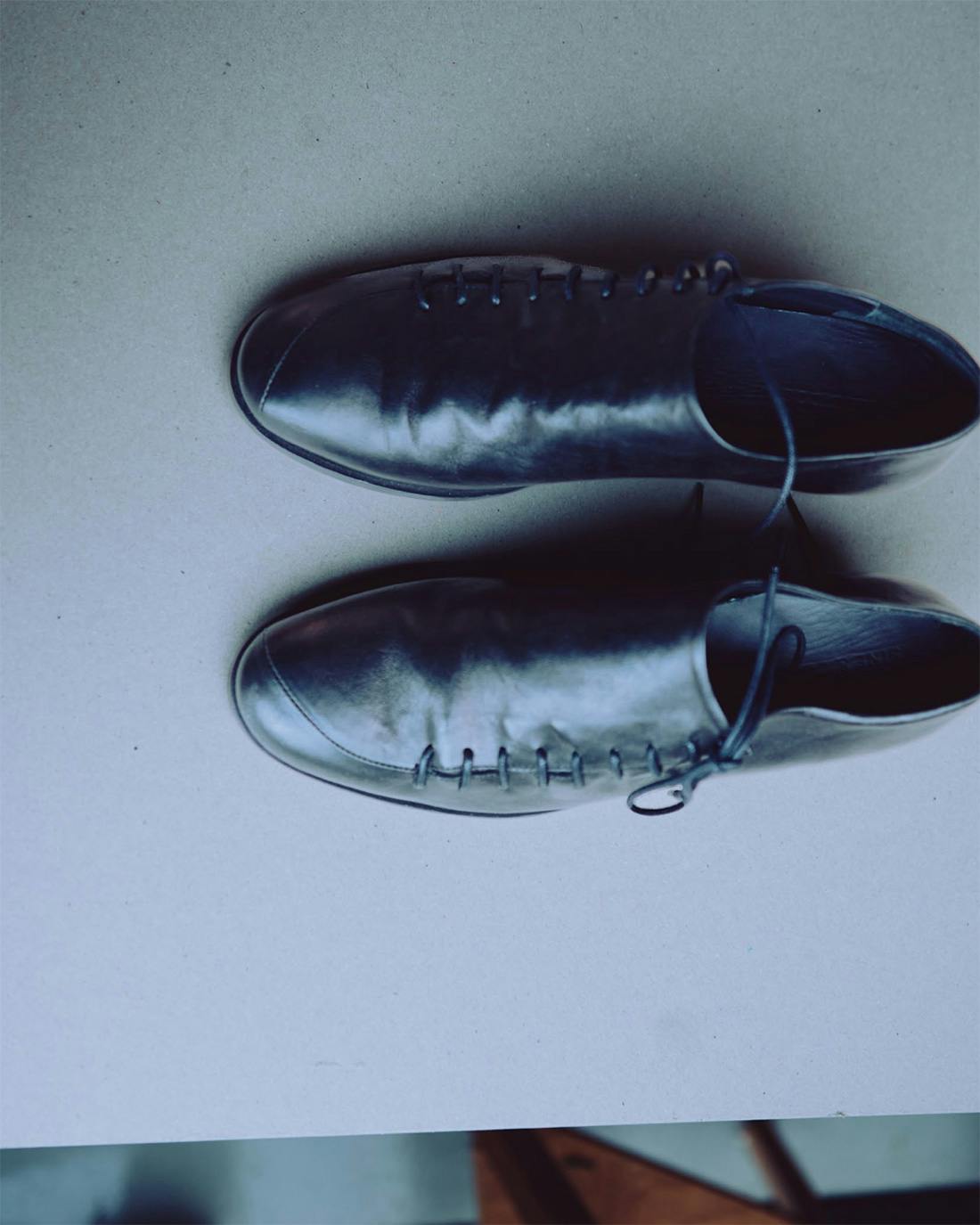
As the geometrically literate will immediately expect, Sine & Cosine comes from an entirely different kind of subculture. The footwear label was founded in 2021 by Robert Pans and Felix Koopmans, two mathematicians with no formal training in fashion. Still only five years old, Sine & Cosine has already firmly established its place in the footwear nook of the good-clothes universe. The brand’s minimal-yet-extravagant leather derbies, mules, ballerinas and sneakers are sold at tastemaking stores like 1LDK in Tokyo, Colbo in New York, and Neighbour in Vancouver. And, unusually for a niche Amsterdam brand, it has two stockists in the city: Afura and Velour.
It started with perhaps the most Dutch shoe of all, found across Amsterdam’s tourist hotspots: the wooden clog. Pans and Koopmans, ever the mathematicians, broke the centuries-old shape down into its essential components, then rebuilt it from one piece of leather. That analytical method has become their playbook, giving rise to elegant and slightly unfamiliar silhouettes, from Cuban-heel derbies to a silver-leather track sneaker called the “Johan,” a nod to Amsterdam hero Johan Cruyff.

Courtesy of Carmen
Carmen
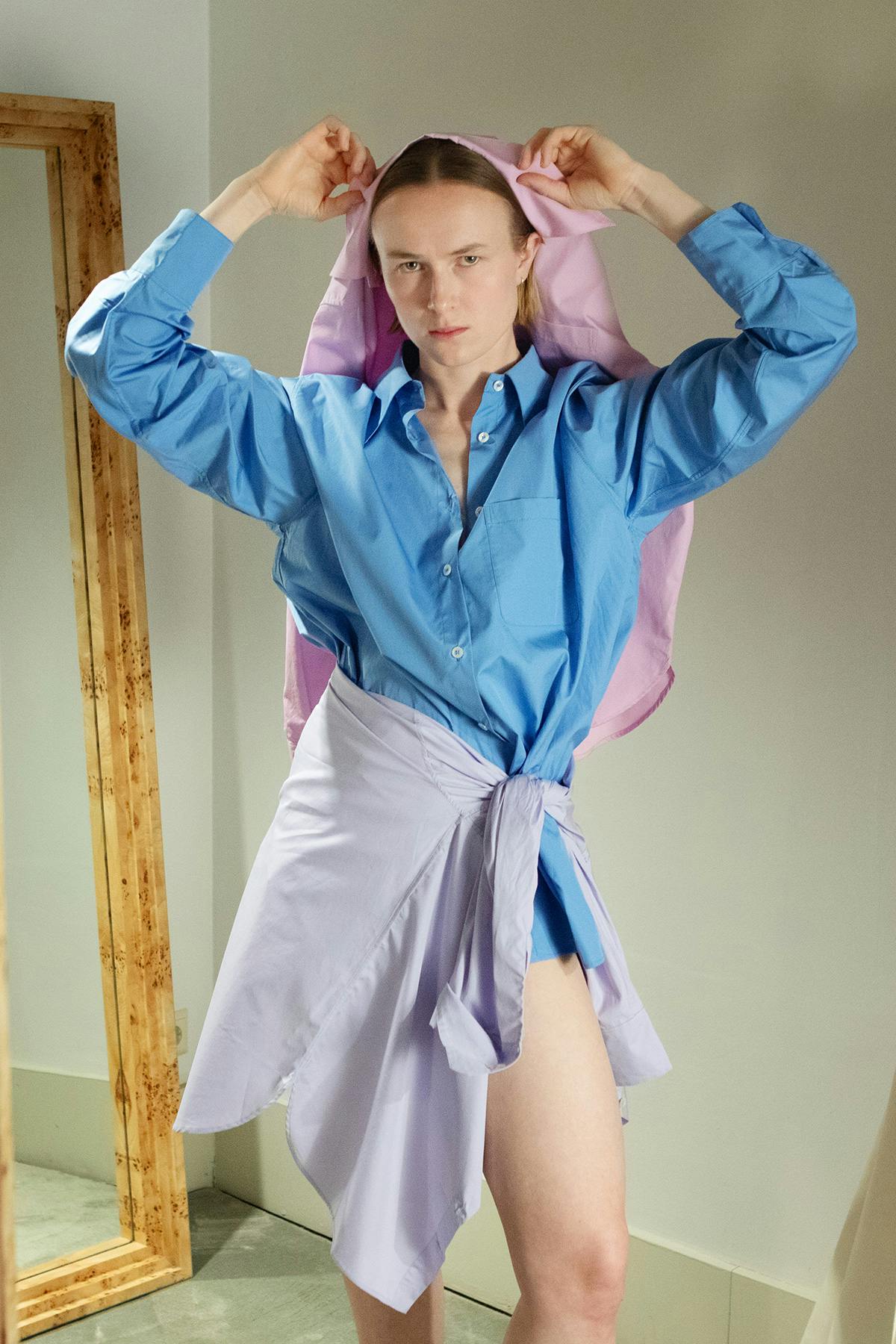
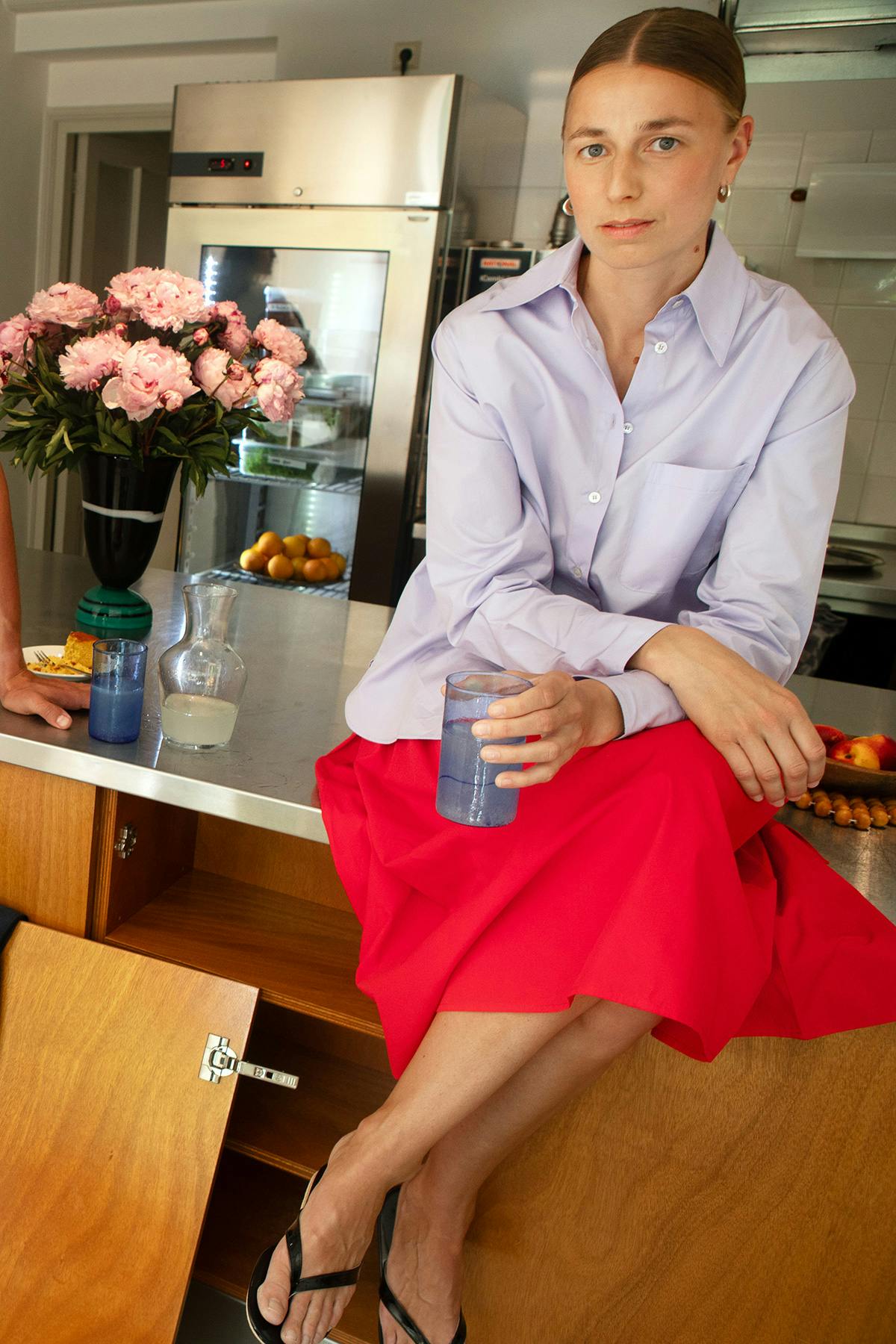
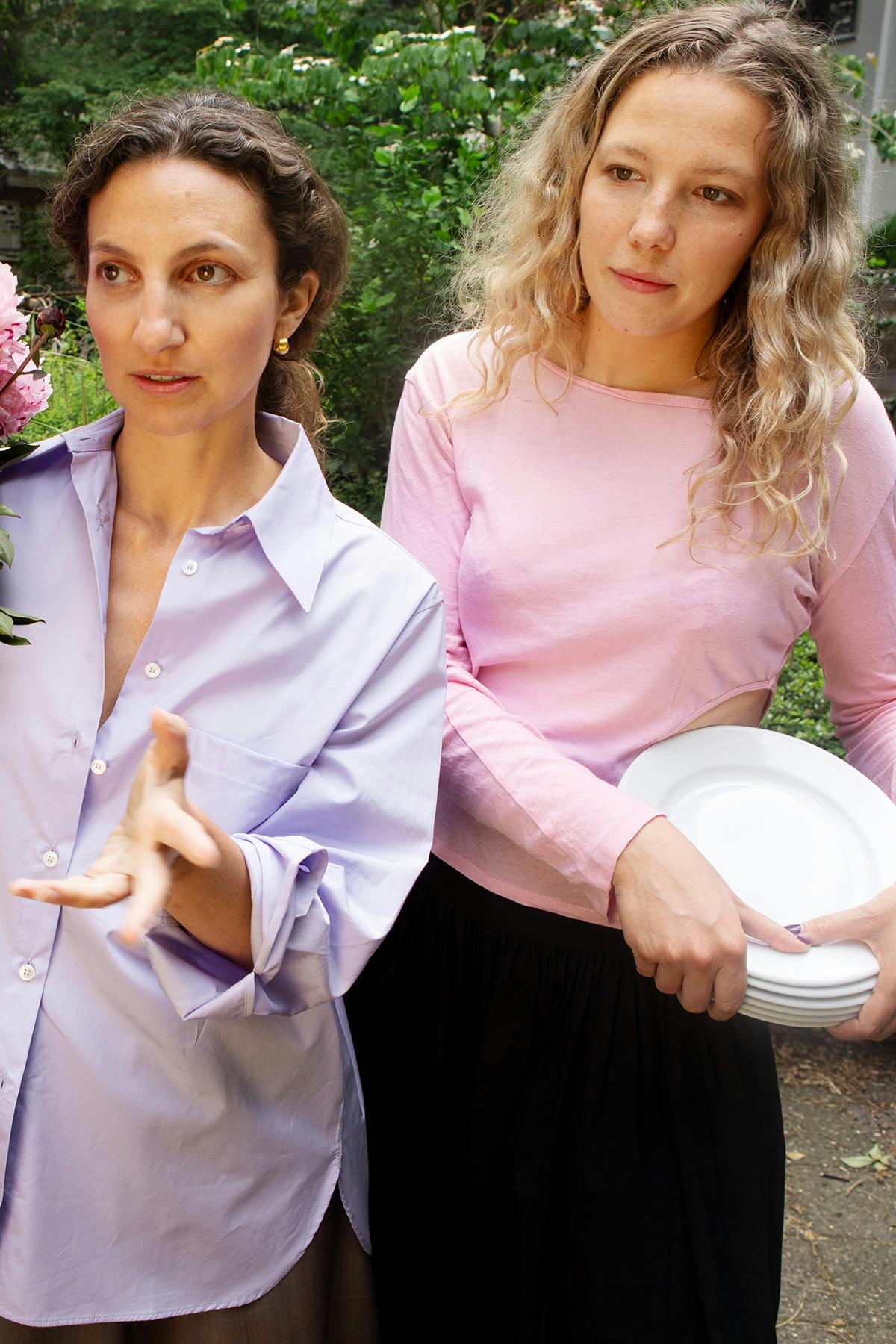
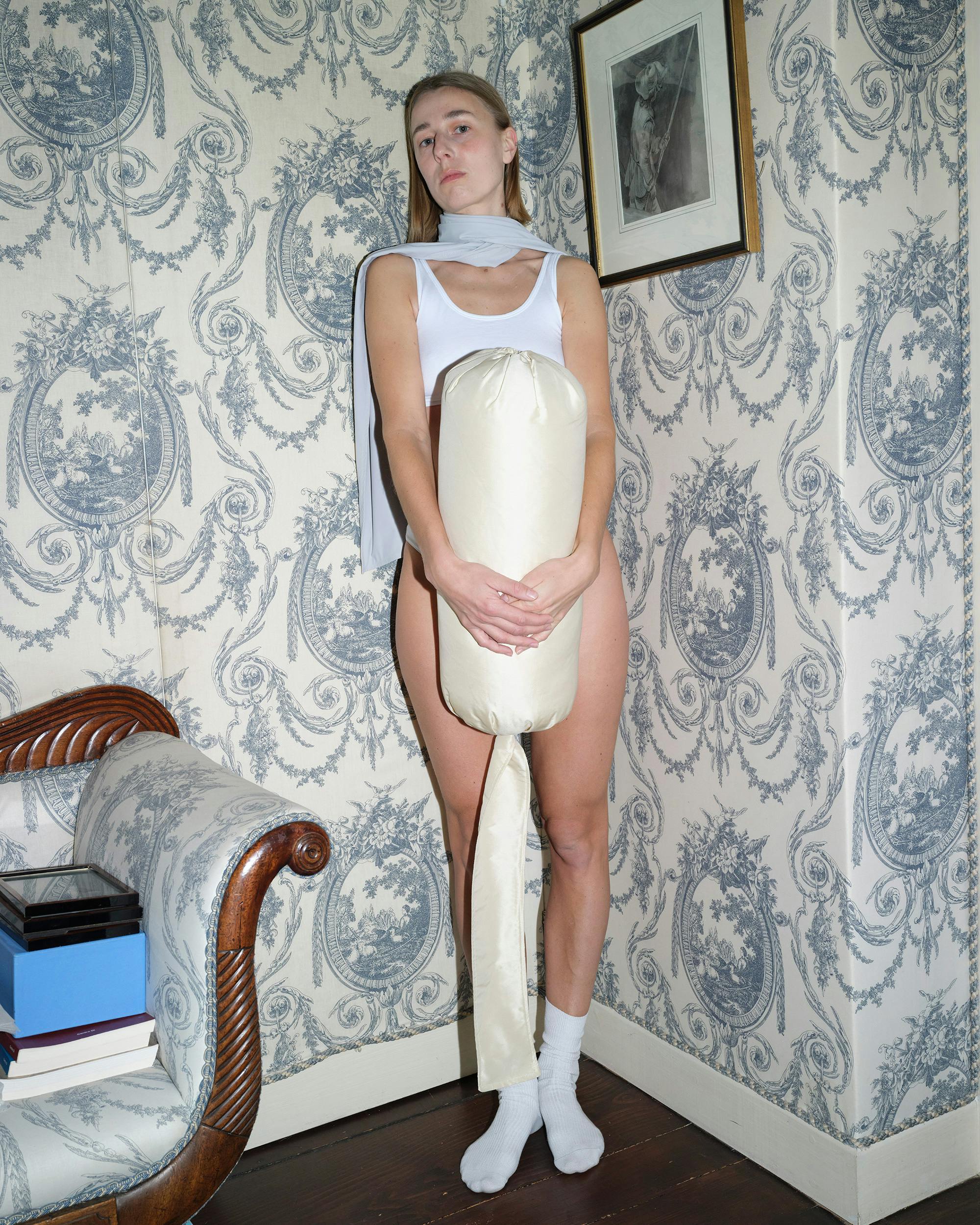
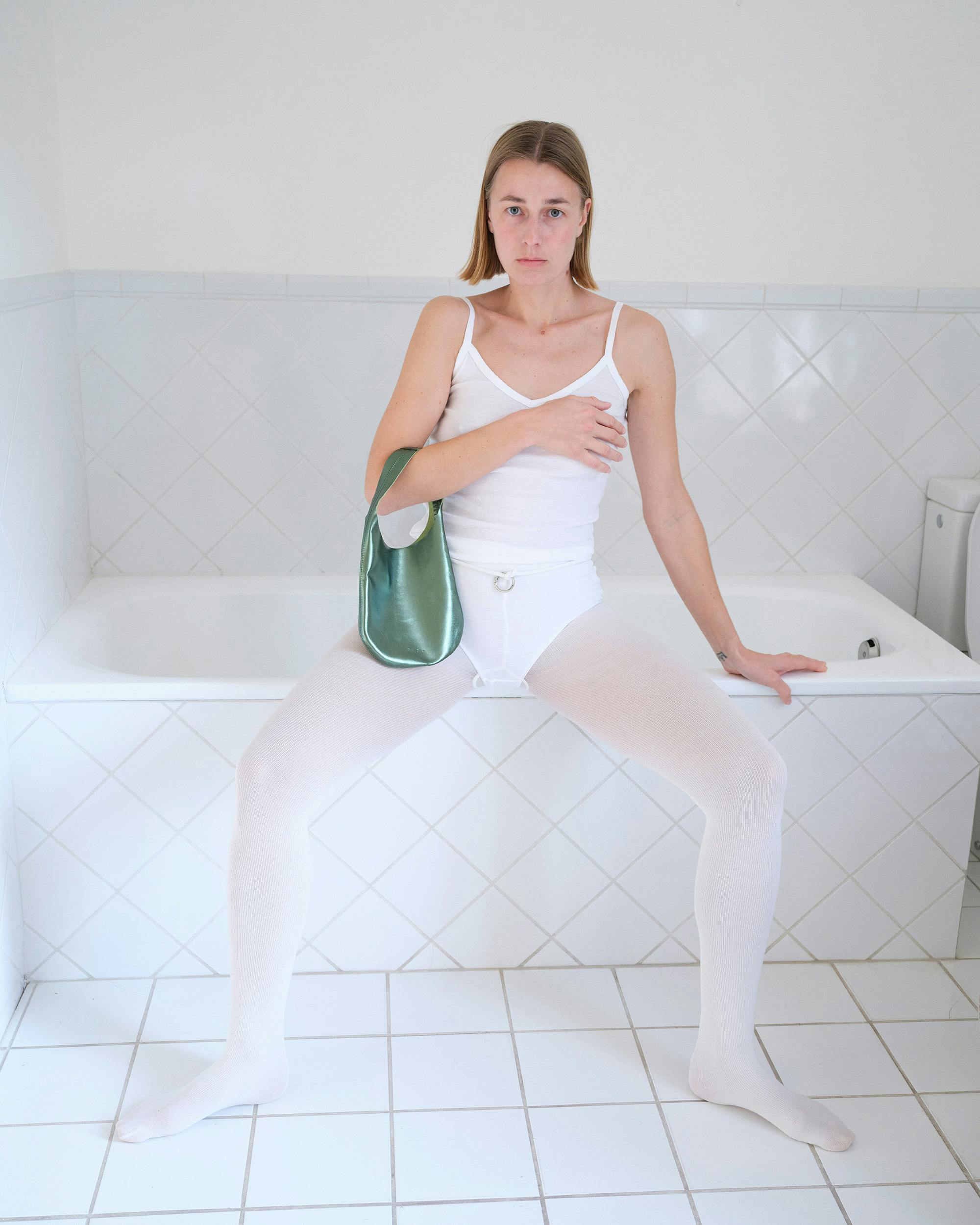
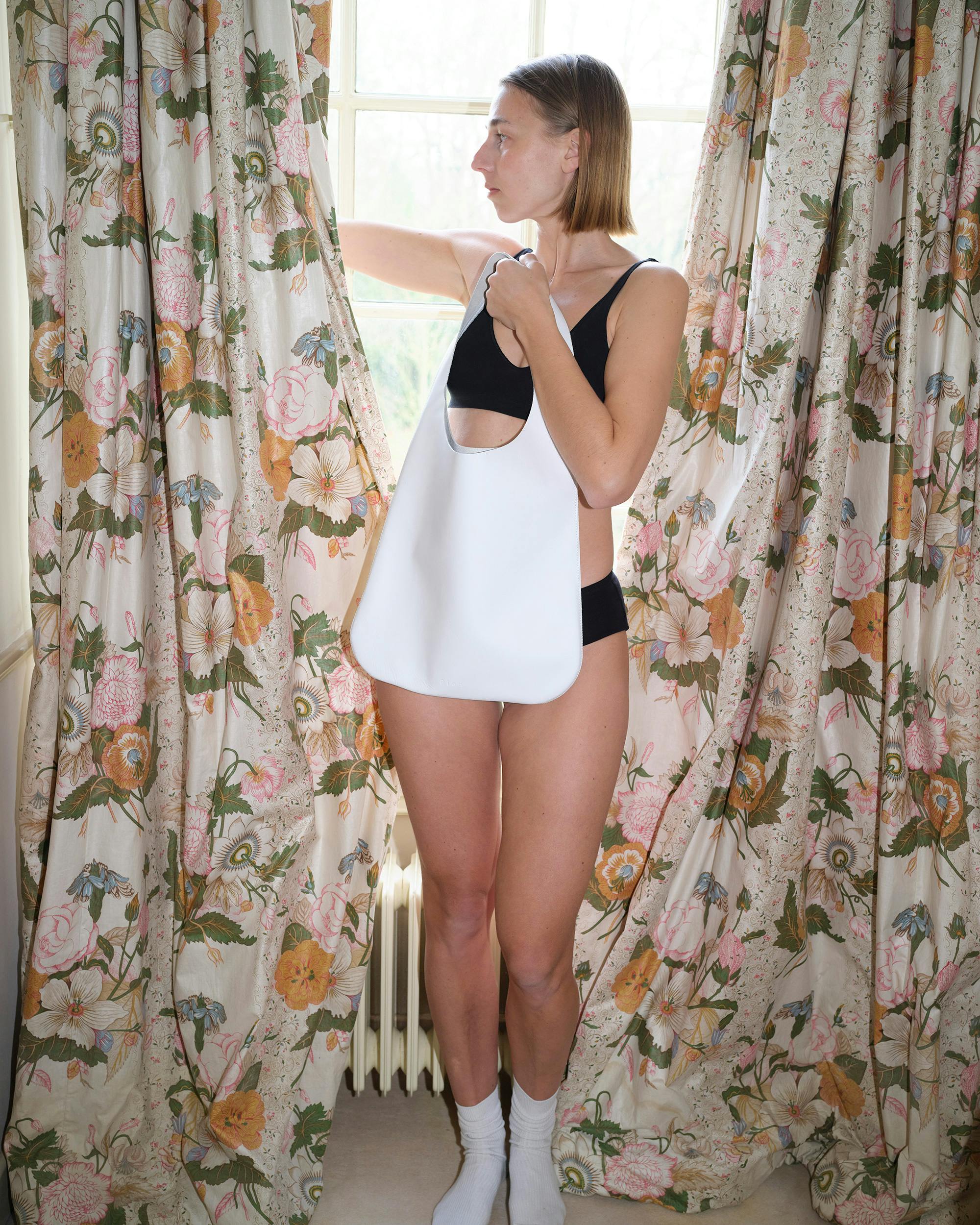
Carmen is a fashion store, home to brands like Baserange, Eckhaus Latta and Rier as well as local favorites extreme cashmere and Pien Studios. It’s also a guesthouse, café and garden, set in a beautiful canal house — and, increasingly, a fashion label of its own. That last part is still very fresh. This summer, Carmen, helmed by husband-and-wife duo Carmen de Baets and Joris ter Meulen Swijtink, launched its first piece of clothing: the House Shirt. Originally designed to be worn by staff, the oversized unisex shirt has a generous collar and mother-of-pearl buttons, and is made in Portugal from crisp Thomas Mason cotton. It’s the first piece in what will become a wider in-house collection. For now, Carmen is a local favorite; consider this your chance to get familiar with it before its clothes travel further.
Courtesy of Pien Studios
Pien Studios
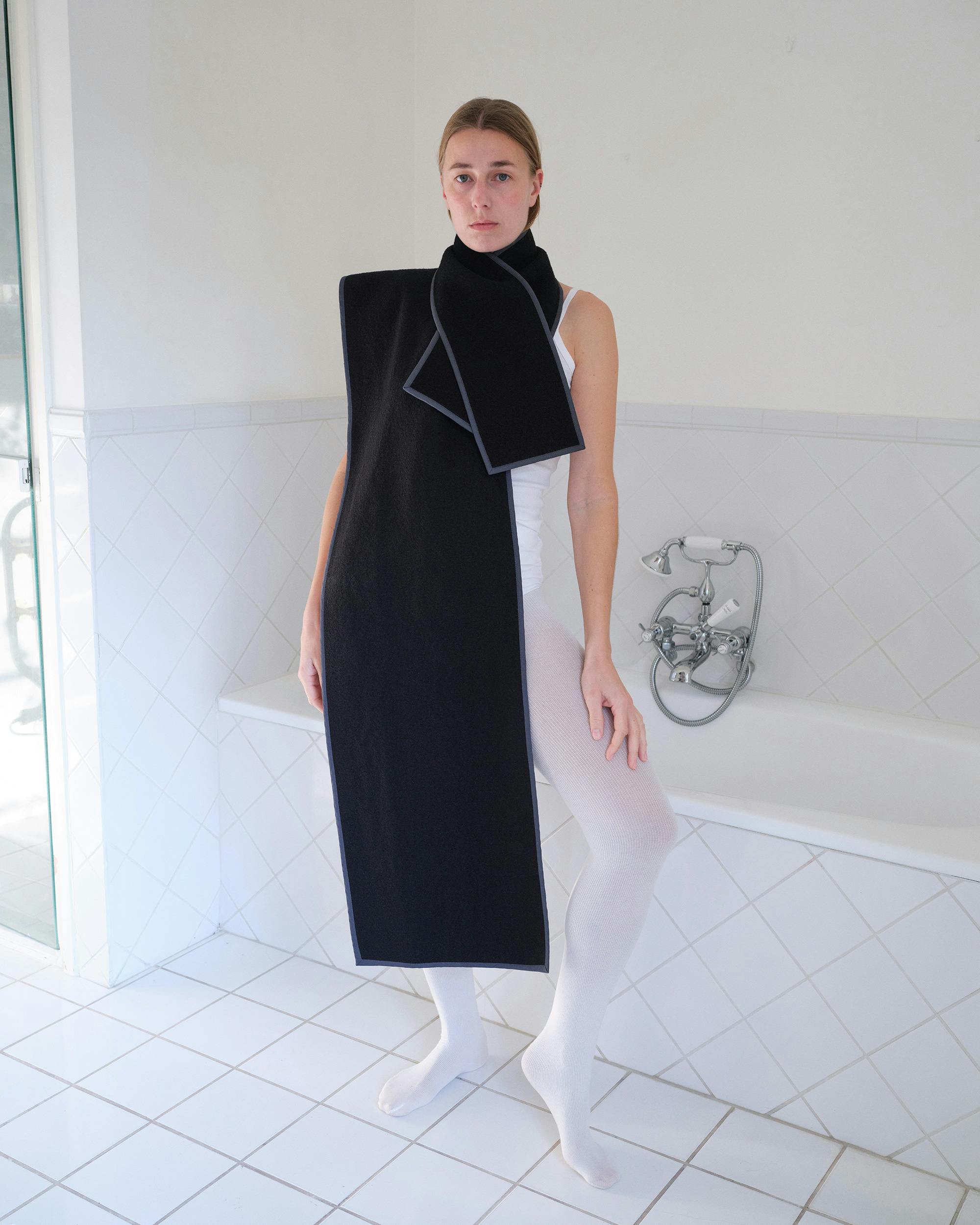
One of the local favorites stocked at Carmen, Pien Studios goes way back with the store. Carmen hosted Pien’s very first event in 2021, when founder Pien Barendregt was still mostly making hand-knitted bags. Today, the Amsterdam textile designer has turned that lockdown project into an increasingly international design studio, making everything from leather totes and knitted scarves to pillows and wooden-bead coasters. A turning point came with her fuzzy knitted balaclava. Inspired by 1960s space-age headscarves, it took off at the height of fashion’s bonnet obsession. Barendregt, who studied at the Amsterdam Fashion Institute before becoming head designer of accessories at Linder in New York, initially knitted each one herself, but eventually had to outsource to keep up with demand. Today, she works with a network of specialist knitters and artisans across the Netherlands and Europe, while staying true to that learn-by-making feeling of the early days.
Courtesy of An Irrational Element
An Irrational Element
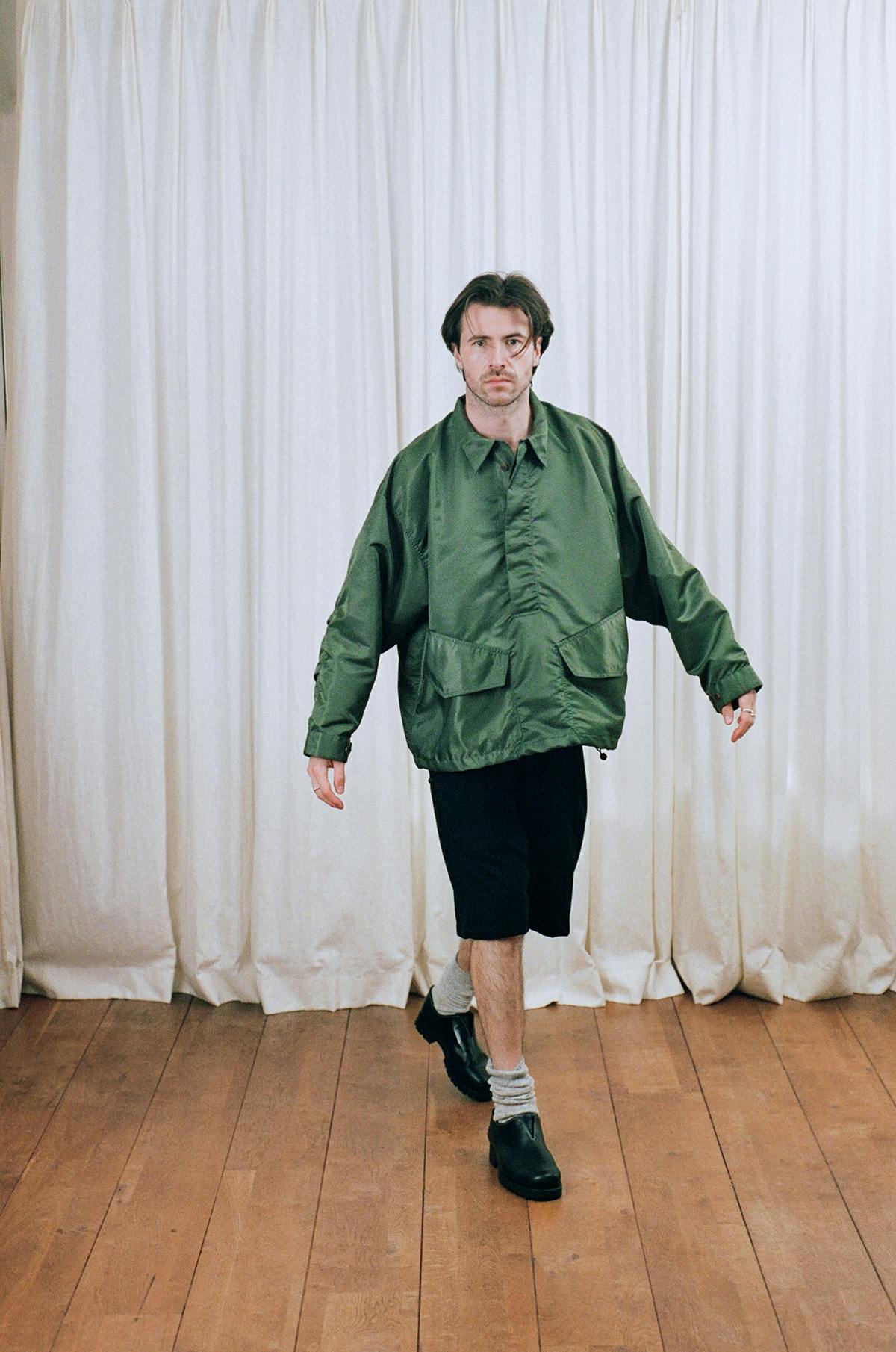
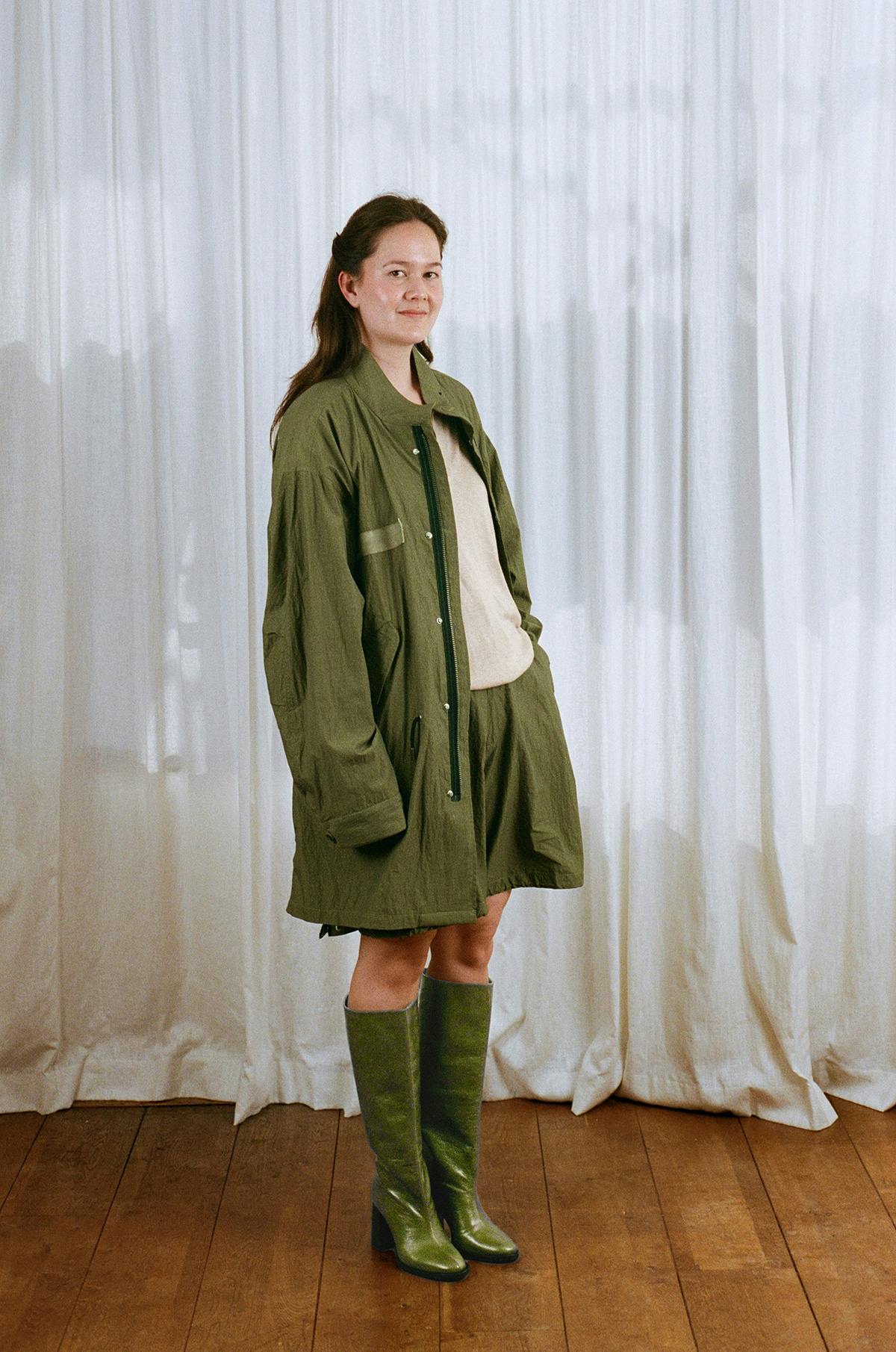
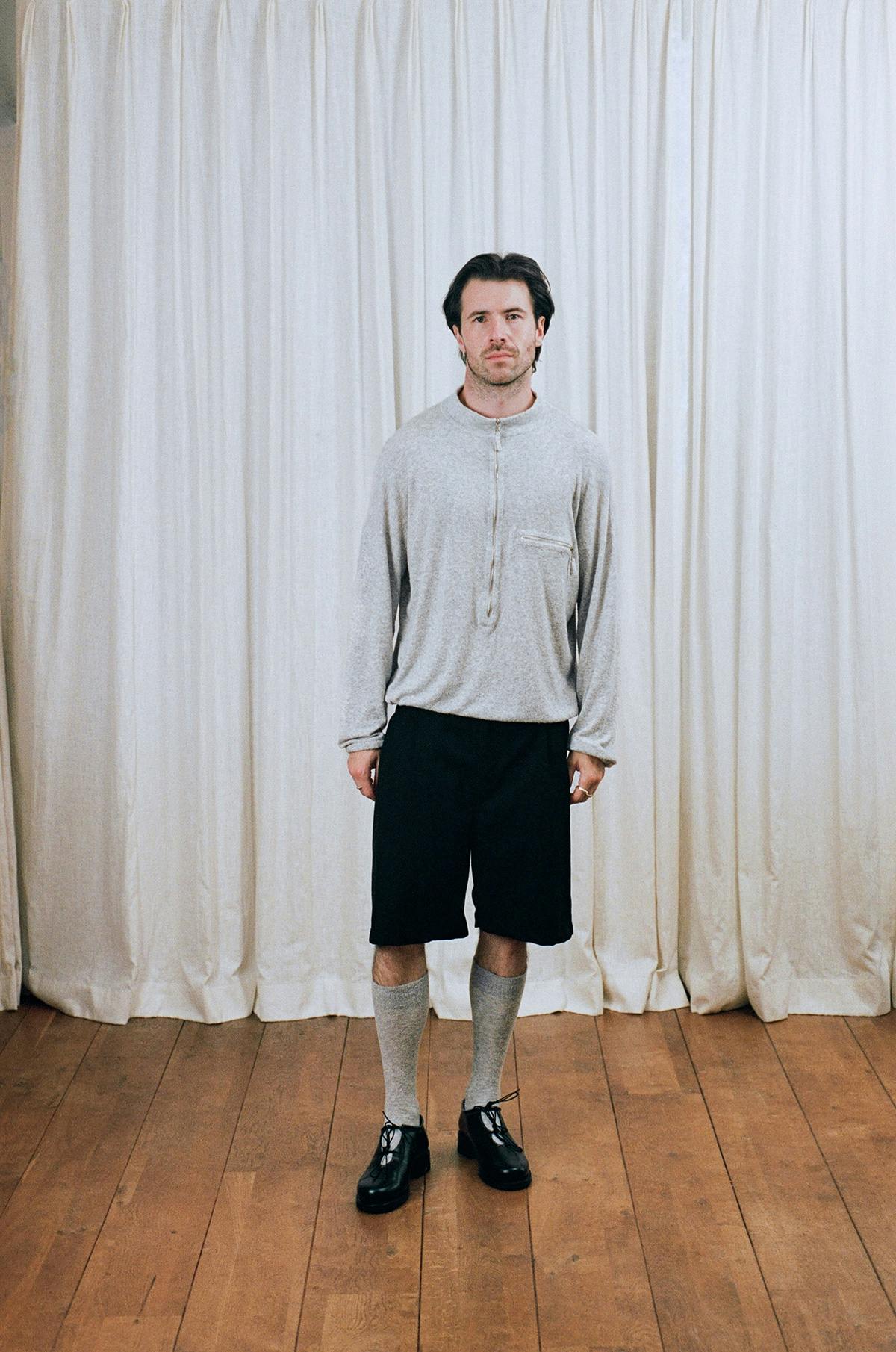
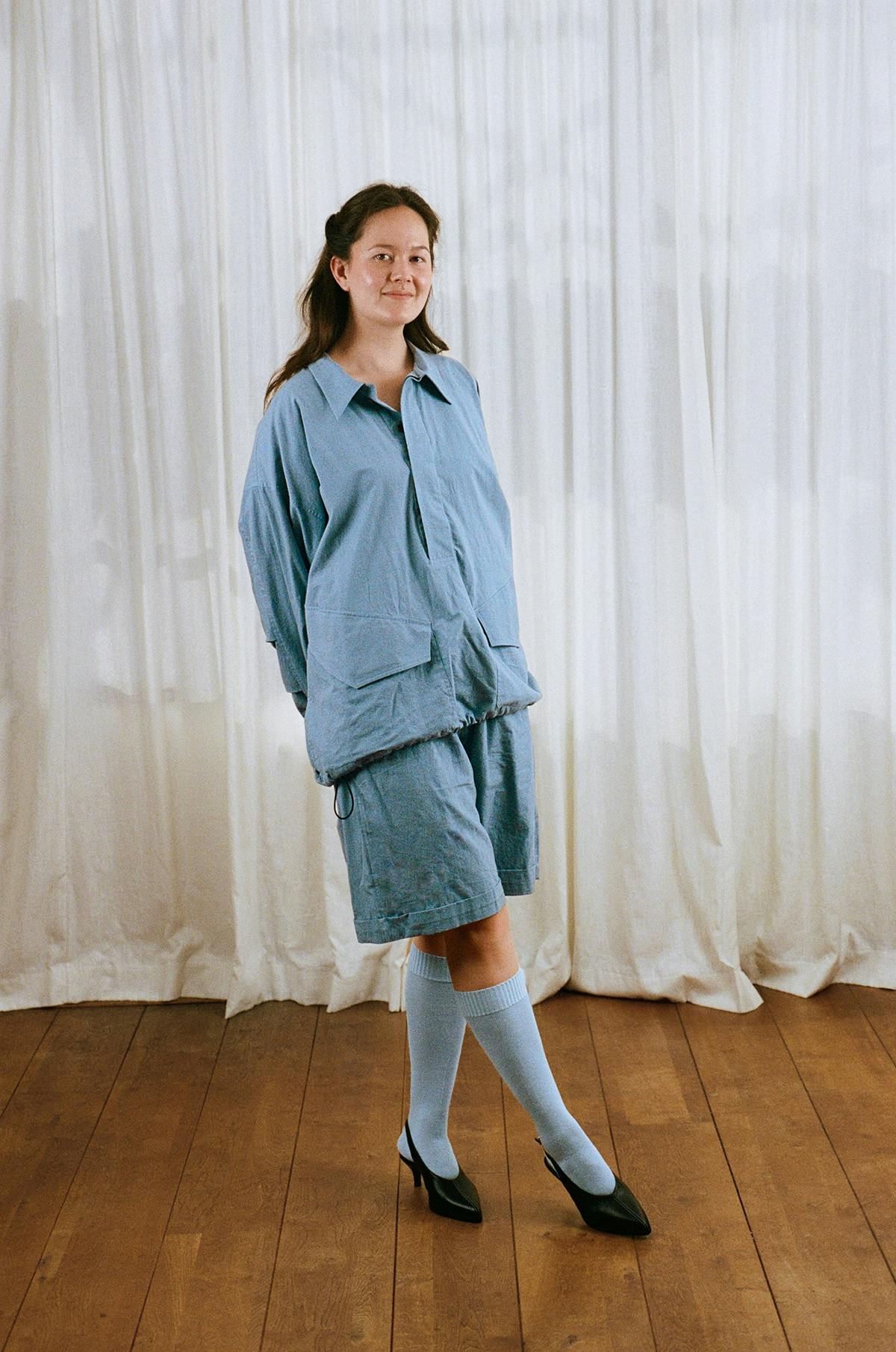
Kai Bolwijn isn’t much of a punk, but his approach to fashion is thoroughly DIY. He started An Irrational Element in 2017 because he couldn’t find a pair of trousers he liked, so he decided to make them himself. Without any design or business experience, he then put together a small lookbook, which he circulated among stores he liked. One thing led to another, and today Bolwijn applies that same DIY approach to full seasonal collections. With around twenty stockists, including Centre Commercial in Paris and No Man Walks Alone in New York, plus his own webstore, he still handles everything entirely on his own from his Amsterdam apartment. That also means shipping orders and modeling the garments.
By far the most popular part of An Irrational Element is its Vibram-soled leather footwear. The Simple Slip-On, for example, has become a brand staple, and rightly so: like a good ol’ Amsterdammer, it’s free from pretensions and looks tough but has a soft heart.